Finally, a streaming gadget that does not suck
Let us be real. Most smart TVs are a disaster of clunky software, slow loading times, and enough bloatware to sink a small ship. I usually treat 'smart' features on a television as a suggestion that I should immediately plug in a dedicated streaming stick to save my sanity. The
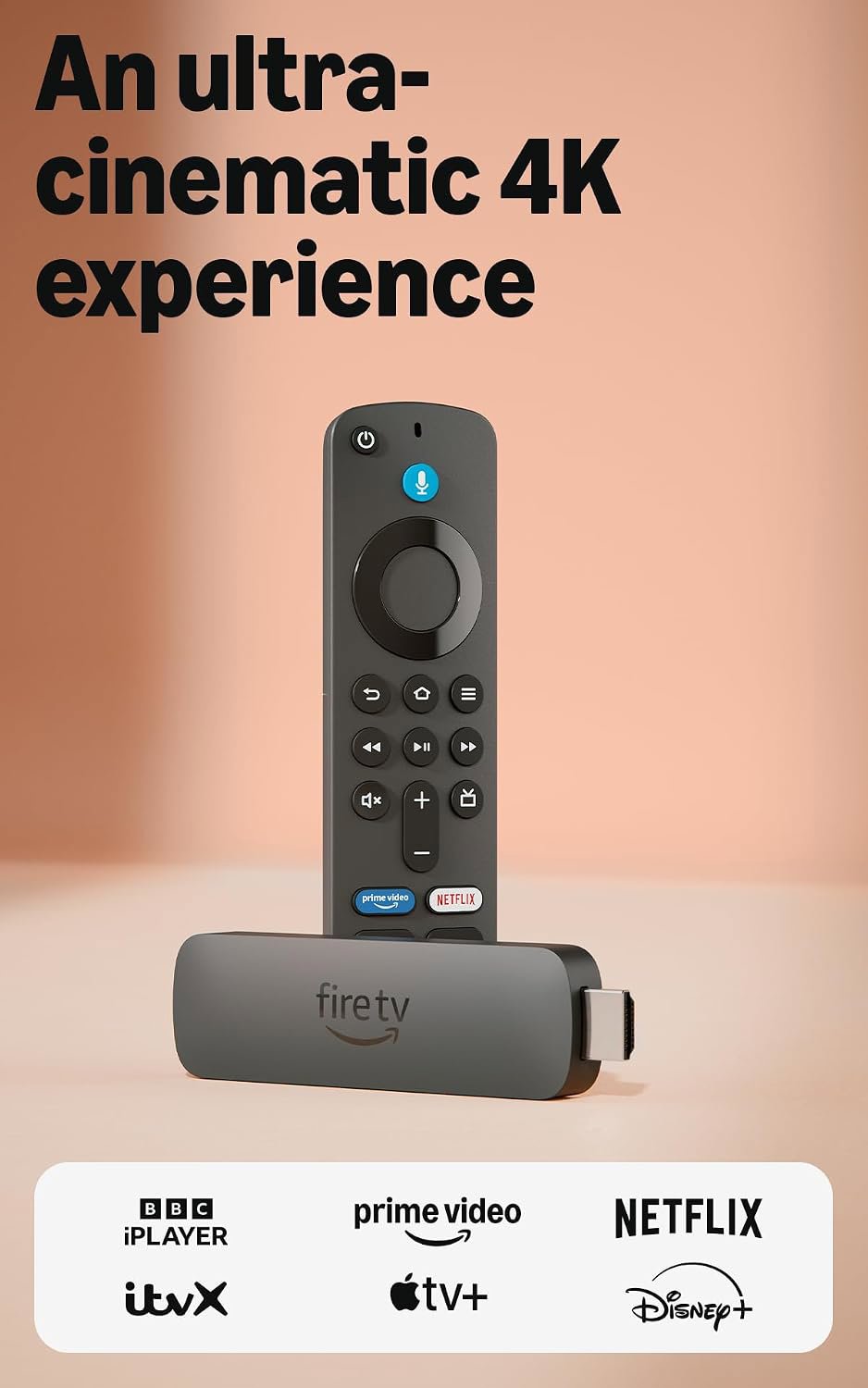
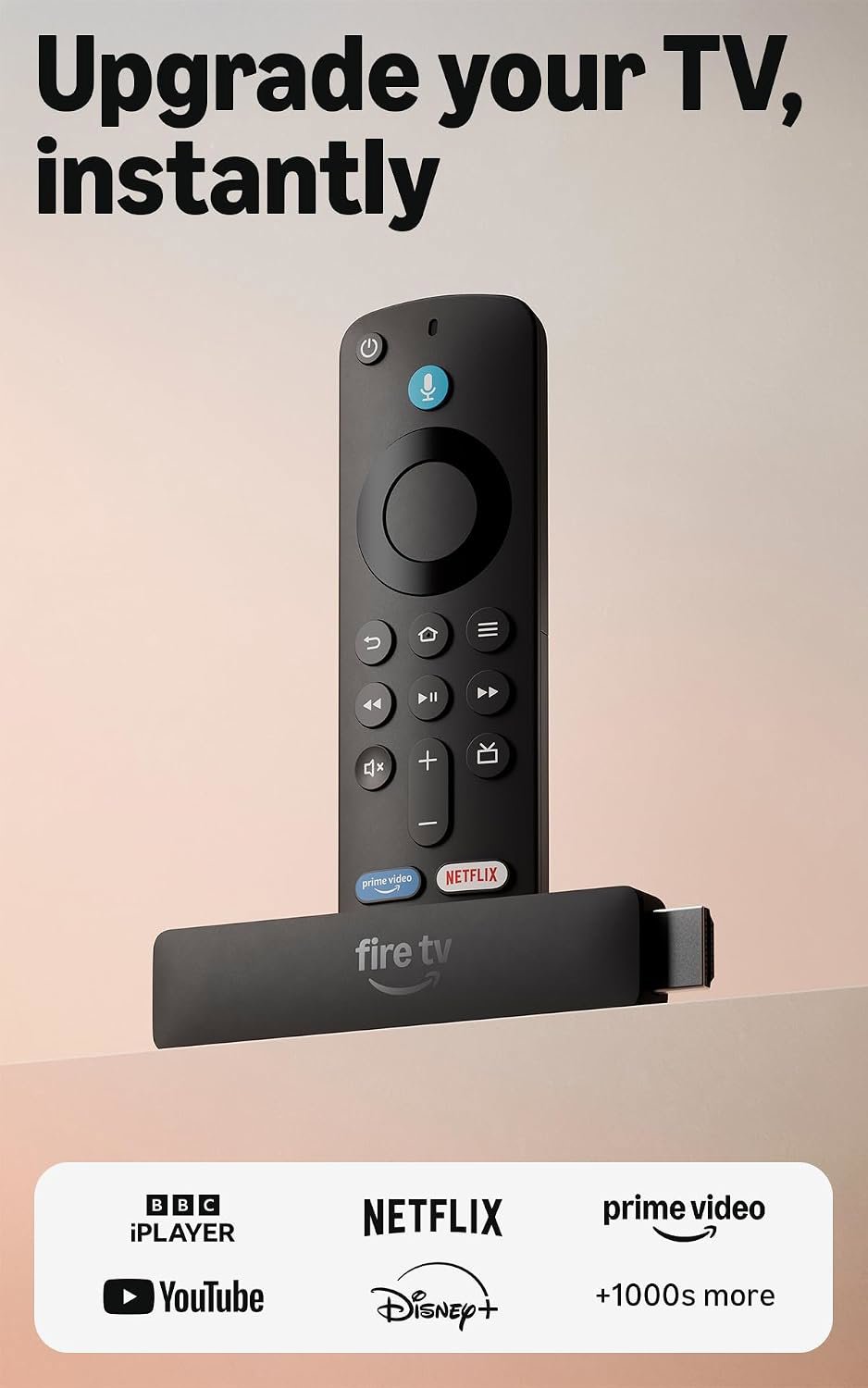
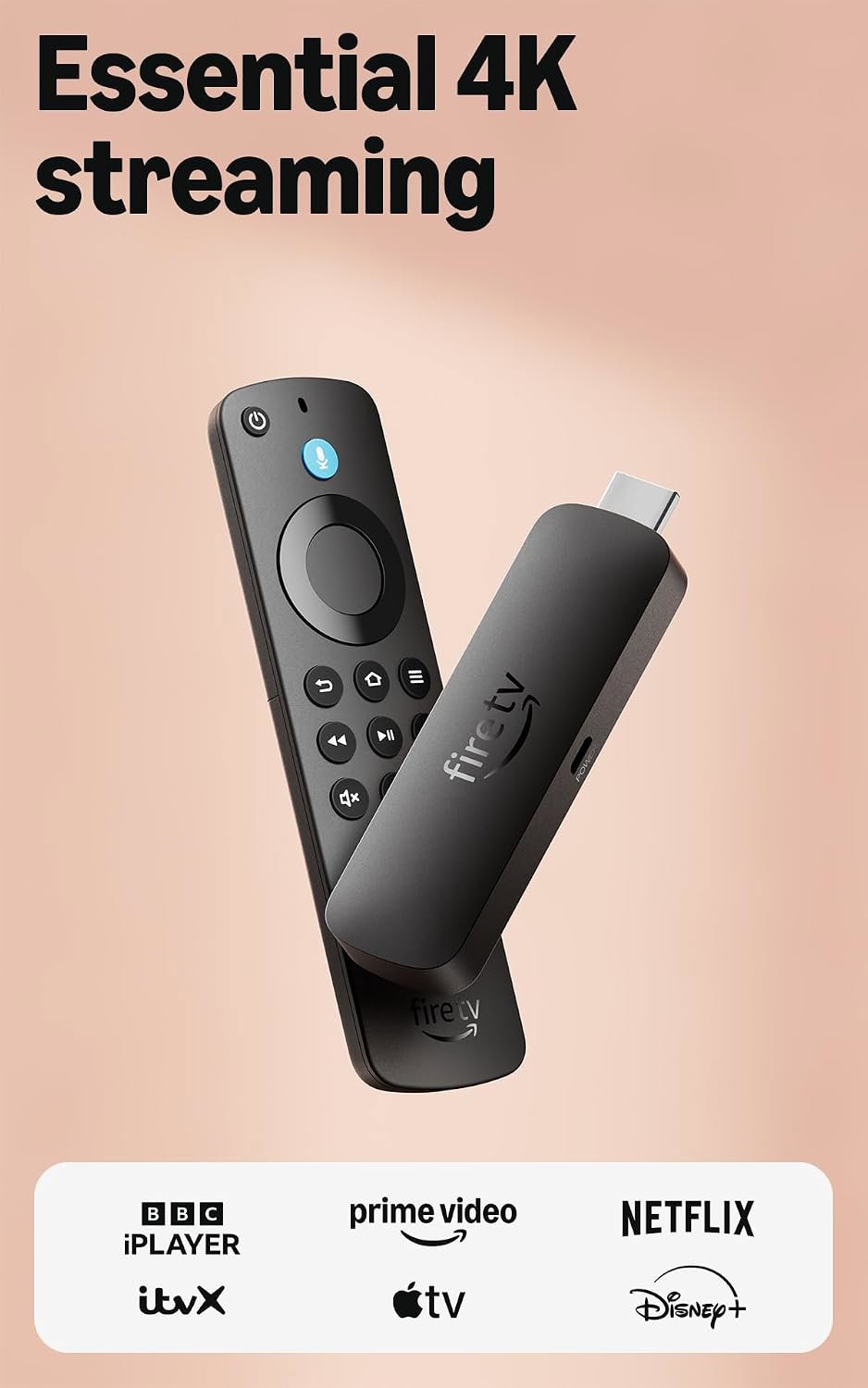
Amazon Fire TV Stick 4K Plus is one of the few devices I have encountered that does not make me immediately reach for the box to return it.
The performance here is actually fluid. When you click a button, the app opens. It sounds like such a basic requirement for tech, yet you would be shocked at how many high-end TVs fail this simple test. The interface is cleaner than previous iterations, though it still has that undeniable Amazon-first approach where it assumes you want to buy or rent everything under the sun before you actually watch your content.
Setting it up took me roughly four minutes, which is just enough time to realize I have entirely too many HDMI cables tangling behind my media console. Once connected, it recognized my 4K setup without throwing a fit. The picture quality is sharp, and the transition between streaming platforms is snappy enough that I did not have time to forget what I wanted to watch while waiting for the screen to load.
Now, let us talk about the 'Plus' branding. Usually, this is marketing speak for 'we added a feature that costs two pence to make,' but the Wi-Fi 6 support is genuinely useful here. If your router is tucked away in a cupboard and your TV is fighting for signal, this stick actually holds a stable connection for 4K streams. It is the first time I have not had to scream at my router during a movie night.
It is not perfect, of course. Amazon still treats the home screen like a giant billboard for its own ecosystem. If you are allergic to seeing Amazon ads, you are going to be annoyed. But functionally? It is a solid piece of engineering that turns a dumb or dying TV into a competent media hub. Just do yourself a favor and use the wall plug provided; do not try to run this off the TV's USB port unless you enjoy random reboots and power warnings.
Specs that actually matter versus marketing fluff
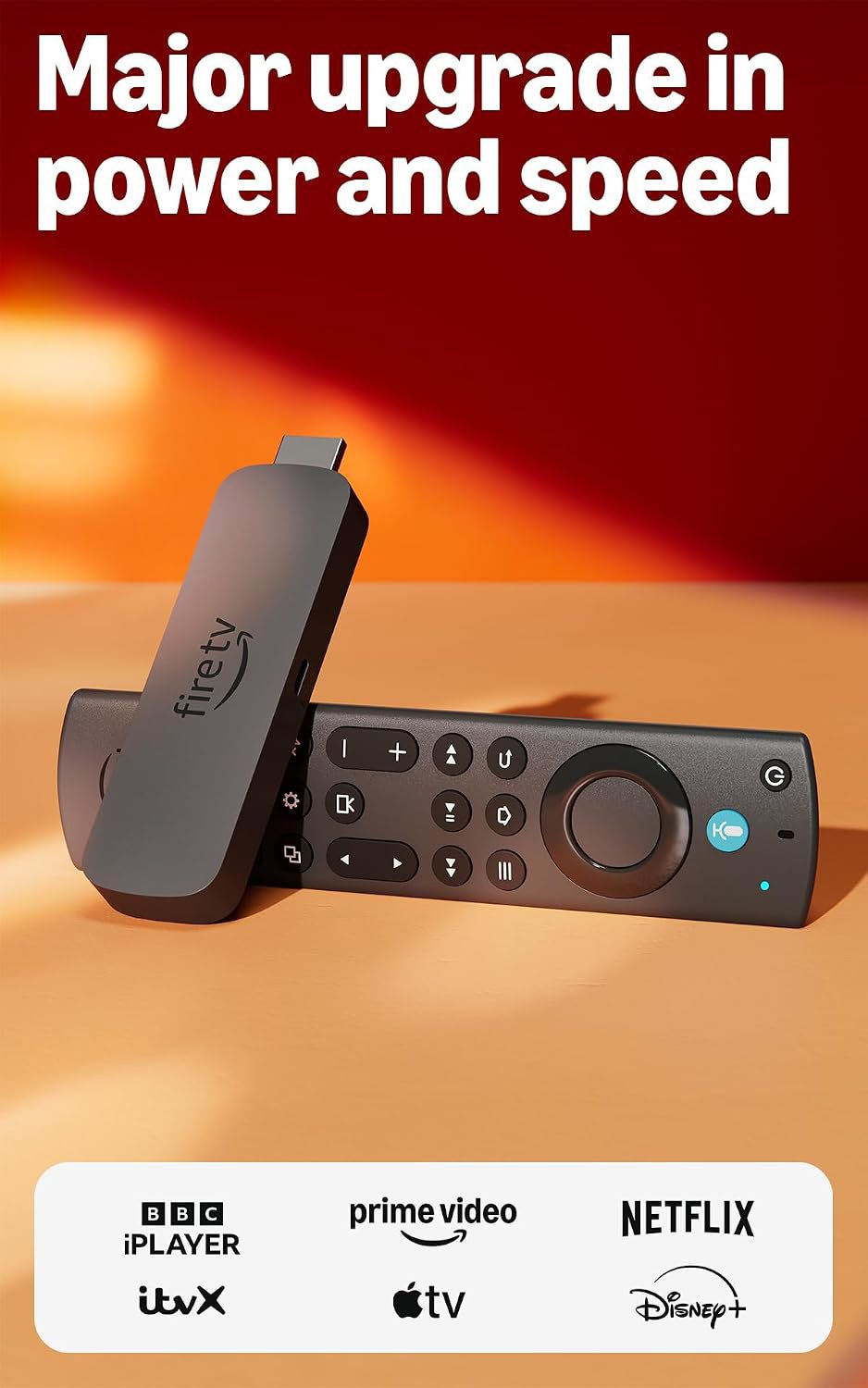
The spec sheet says Wi-Fi 6, Dolby Vision, and HDR10+ support. Usually, I ignore these claims until I see them in practice, but the performance jump from a standard older model is undeniable. The device feels responsive because the processor is actually keeping up with the modern, cluttered app interfaces that have become the standard in 2026.
One feature that deserves a nod is the integration of cloud gaming. Being able to stream Xbox games directly without needing a console is a neat trick. It is not going to replace a dedicated PC or console for competitive gaming, obviously, but for casual sessions, it works surprisingly well. It is a nice-to-have feature that elevates the stick from just a streaming box to a mini media station.
The Alexa voice remote is standard Amazon fare, meaning it works well enough if you enjoy talking to your furniture. Searching for content by voice is significantly faster than the old-school 'type one letter at a time' method with a directional pad. The remote itself has a decent weight to it and does not feel like it will snap if you drop it on the floor, which is a low bar that many companies fail to clear.
Who needs this, and who should stay away
If you own a smart TV that is starting to lag or has an app store that looks like it was abandoned in 2018, this is a very affordable life-saver. It is for people who want to watch their shows without the spinning wheel of death ruining the mood. However, if you are a home theater purist who already uses an Nvidia Shield or a high-end dedicated media center, this will feel like a downgrade in terms of raw power and file format support. Buy it for the bedroom or the kitchen TV, but keep your high-end gear in the lounge.