More than just a screen attached to a controller
Welcome to the
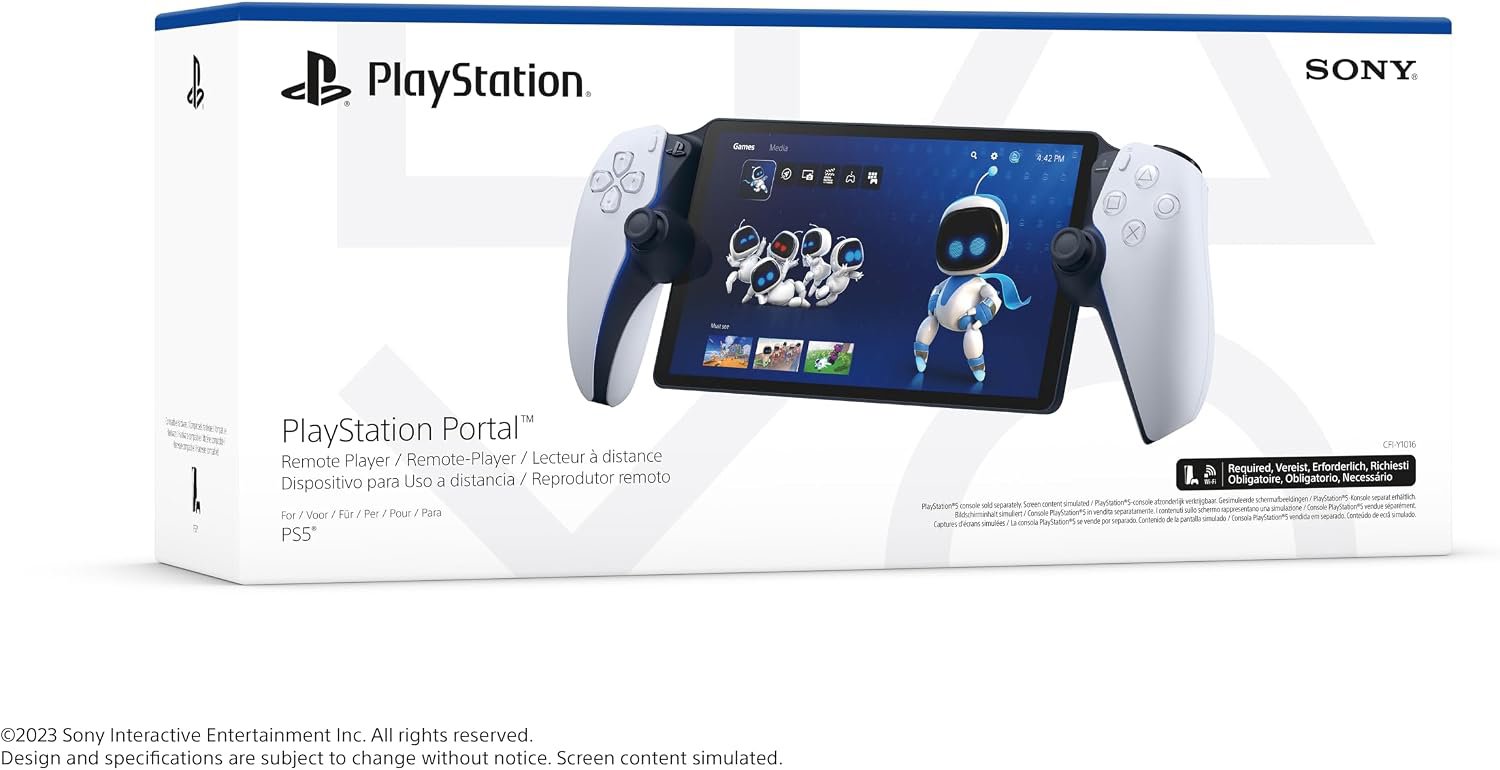
PlayStation Portal, or as I like to call it, the expensive white plastic tether that keeps me out of trouble when the kids are hogging the TV for cartoons. Sony spent years telling us they were done with handhelds, only to drop this odd little streaming device on our desks. It is not a Vita 2. It is not a Steam Deck competitor. It is a screen stuck between two halves of a DualSense controller, and honestly, that is exactly what it promised to be.
The build quality is surprisingly solid. If you have ever held a PS5 controller, you know the drill. It feels like someone took a saw to a standard controller and stretched it out, which is a massive compliment. The ergonomics are top-tier, unlike those flimsy third-party handhelds that feel like they might snap if you grip them too hard. Sony nailed the weight distribution here, so you can play for hours without your wrists filing for divorce.
However, let's talk about the 'smart' aspect. This thing relies entirely on your home network. If your Wi-Fi is the kind that gives up the ghost whenever someone starts downloading a large file, the Portal will become an expensive paperweight faster than you can say 'lag spike'. Spec sheet says it works with 5 Mbps, but reality says you should probably be wired into a gigabit router if you want to avoid pixelation that turns your beautiful games into a slideshow of blurry misery.
I have seen enough customer feedback to know that some users think this is magic, while others think it is a digital plague. The truth lies somewhere in the middle. If you have a rock-solid, high-speed connection, it feels like witchcraft. You are playing a game rendered by your PS5 in the other room, streamed directly to your hands with minimal input lag. It is glorious when it works.
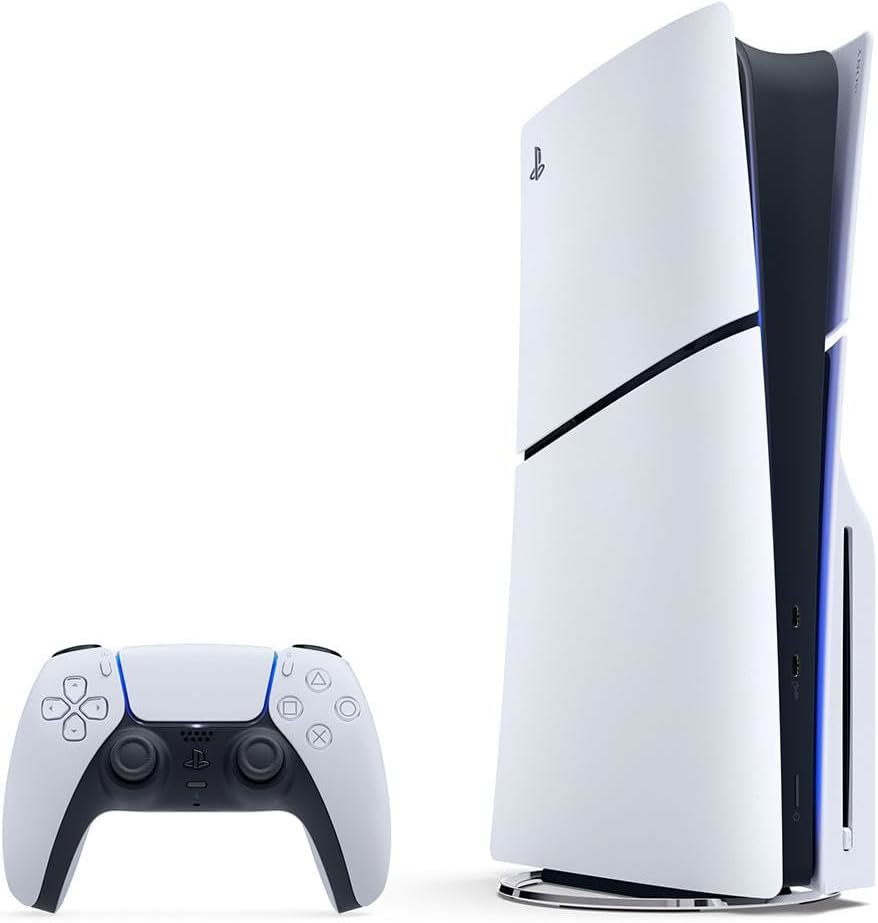
Yet, for the price of 249 EUR, you are essentially paying for a specialized monitor that needs another 500 EUR console to function. Is it worth it? If you are a parent or someone sharing a living space where the TV is a constant battlefield for remote control rights, it is arguably the best purchase you can make. If you were hoping to take this on a plane for some offline RPG action, you will be sorely disappointed to find that 'offline' is not in this thing's vocabulary.
Feature check: Does it actually work?
Let's look at the specs. You get an 8-inch LCD screen with 1080p resolution at 60 frames per second. It is bright, it is clear, and it is a massive step up from squinting at a smartphone screen clamped into a plastic mount. The color reproduction is decent for an LCD, though it won't give you the deep blacks of an OLED panel. For most games, it is perfectly sufficient and keeps the overall cost down, even if I personally wish Sony had splurged on a better display.
The real star of the show is the DualSense implementation. You get the full experience here: haptic feedback, adaptive triggers, and those subtle vibrations that make you feel like you are actually holding the tension of a bowstring. It is miles ahead of any touch-screen control scheme. If you love the tactile feedback of the PS5, you will feel right at home here.
Connectivity is the Achilles' heel. It uses Sony's Remote Play protocol, which is fine, but it really expects you to treat your PS5 like a server. You need to keep your console in rest mode, and woe betide you if you have a weak Wi-Fi signal. Many users report that switching to a wired ethernet connection for the main console significantly improves the experience. It is a bit of a hassle to set up, but once it is running, it is remarkably stable.
Audio is another point to consider. You have a built-in headphone jack, which is nice, but the lack of native Bluetooth support for your wireless gaming headset is a glaring oversight that reeks of corporate ecosystem lock-in. You will need to use wired cans or Sony's specific proprietary wireless earbuds if you want to play without waking the house. It is a classic Sony move, honestly.