Putting the smarts in the right place
In my experience, most smart home gadgets have the shelf life of a carton of milk and the personality of a brick. I have seen folks spend hundreds on fancy systems only to have them lose their minds the moment the router decides to have a bad day. That is why I have taken a shine to the
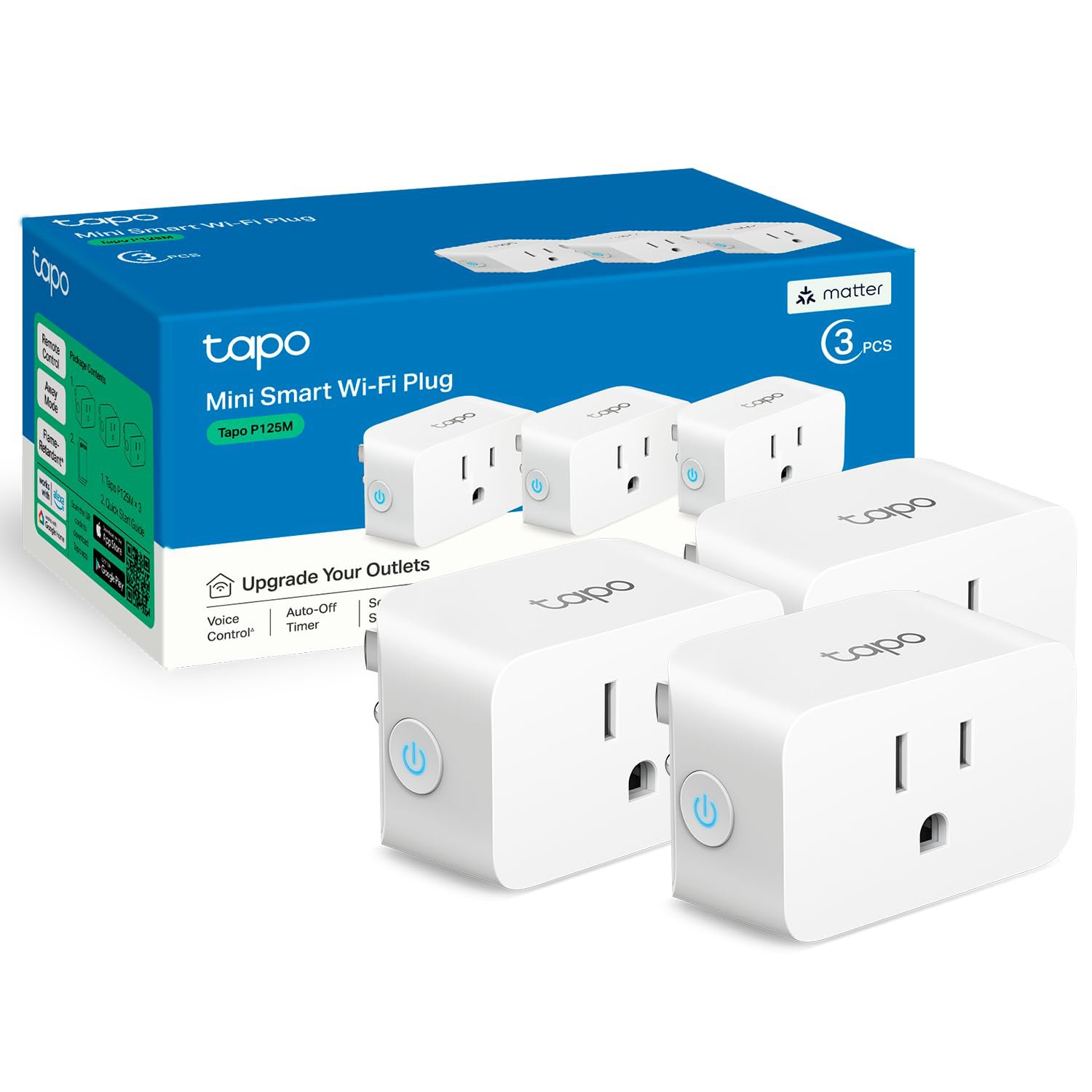
Tapo P125M Smart Plugs. They are humble little things that do exactly what they claim to do, which is more than I can say for half the junk on the market these days.
When you are looking at Black Friday deals, it is easy to get distracted by shiny objects that do not actually add value to your home. These plugs are different because they are built to last and follow the Matter standard. Think of Matter as a universal language for your house. Instead of buying a device that only talks to one brand, this one is designed to chat with Alexa, Google, and Apple alike. It is about time manufacturers stopped trying to build their own walled gardens and just let the equipment talk to each other.
The size is what really caught my eye. Some of these smart plugs are so bulky they take up two spaces on your wall outlet, which is a design choice I find downright offensive. These units are compact enough that you can actually use the other plug for something else, like a lamp or a coffee maker. It is common sense, really. Why make a tool that hinders the very thing it is supposed to be helping?
Setting these up is about as straightforward as boiling an egg. You download the app, plug it in, and let it do its business. I have heard reports from folks who are not particularly tech-savvy, including a few grandmothers who managed to get their Christmas lights running on a schedule without needing to call their grandkids for help. If it passes the grandma test, it is usually a good sign that the software is not trying to be too clever for its own good.
I will be the first to tell you that no piece of technology is perfect. If you are the type who likes to get under the hood and mess with advanced local network settings, you might find that the Matter protocol requires a bit of patience. It is not always plug and play when you are dealing with complex home server setups. However, for the ninety-nine percent of people who just want their porch light to turn on when the sun goes down, these are a solid piece of hardware that earns every inch of space they take up.
The nuts and bolts of the operation
Let us talk about what is inside this plastic shell. These plugs are UL certified, which is the bare minimum I expect from anything that carries electricity around my floorboards. I do not care how smart a plug is if it is a fire hazard, and these feel sturdy enough to handle the job. They are rated for 15 amps, which is plenty for your standard household appliances, and I have heard from folks running 3D printers on them without any overheating issues, which is a proper stress test if I ever heard one.
The Matter protocol is the real star here. It allows for local control, meaning if your internet decides to take a vacation, your lights will still work on their schedule. Too many smart devices are tethered to the cloud, so when the server goes down, your house becomes a collection of expensive paperweights. These plugs keep their wits about them even when the signal drops, which is exactly how a tool should function.
The app itself is surprisingly clean. It lets you set up schedules and timers without burying the options under ten layers of menus. You can tell your coffee maker to wake up before you do, or ensure the lamp in the hallway shuts off when you leave for work. It is simple, effective, and it doesn't try to track your location or sell your data to the highest bidder. It is just a good, honest, working tool.
Is it worth your hard-earned dollar?
If you are looking to get your home automation under control without wasting money on proprietary gimmicks, these
Tapo P125M plugs are a fantastic Black Friday buy. They are reliable, they do not clutter up your outlets, and the Matter support means they will not be obsolete by next year. Skip these only if you are strictly looking for a complex, tinker-heavy system that requires constant maintenance, because these are designed for folks who have better things to do than babysit their lightbulbs.