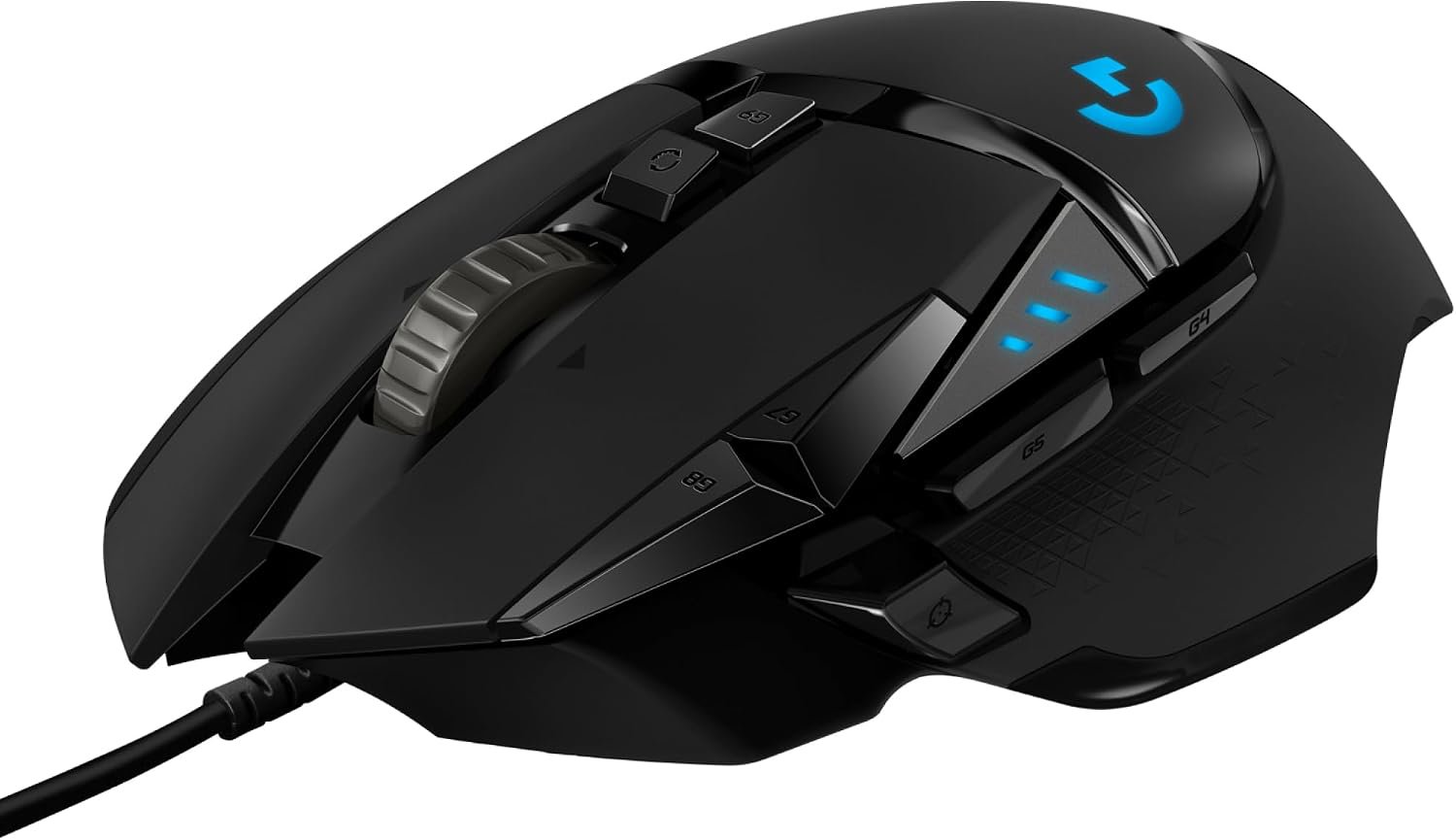
Why we are still talking about this prehistoric beast
Welcome to the hall of fame. If you have spent any time in the PC gaming trenches over the last decade, you have almost certainly seen a
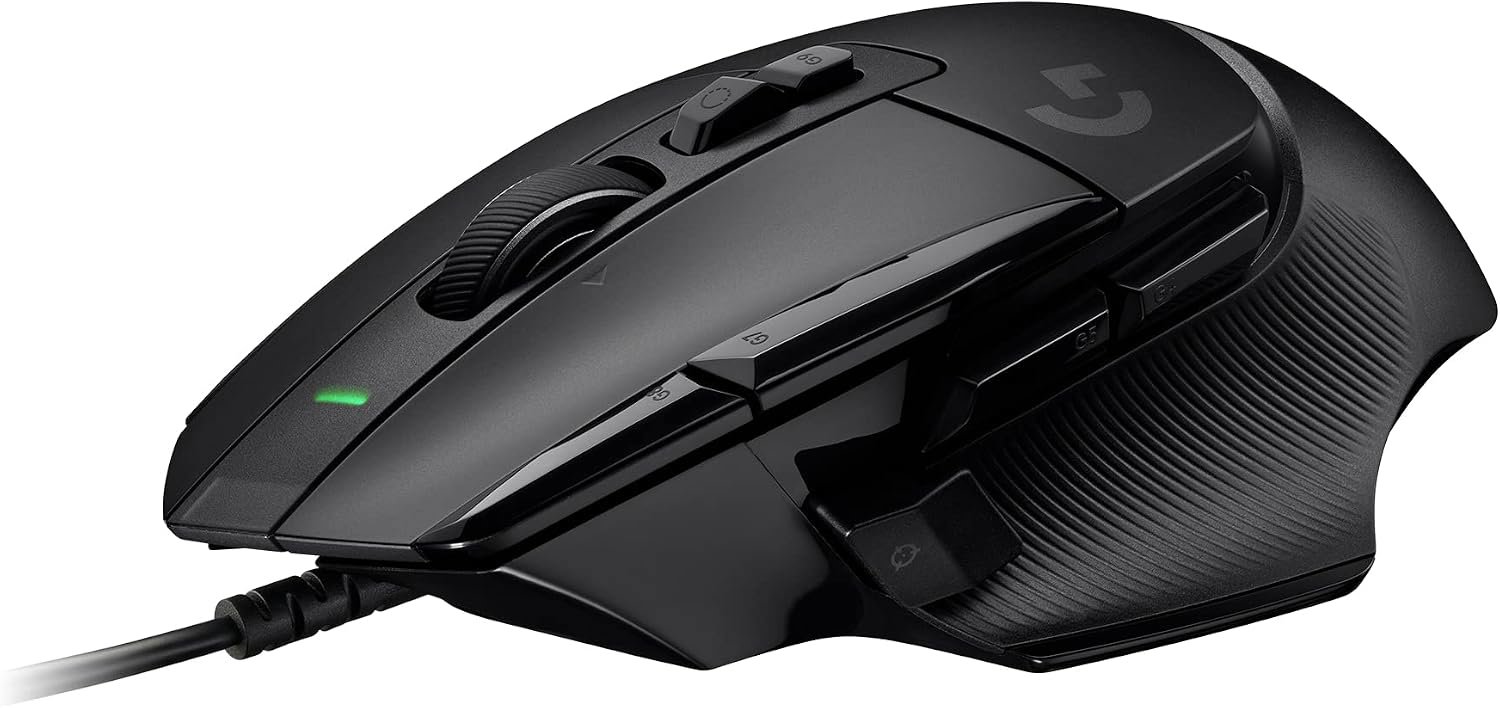
Logitech G502 on a desk. It is the beige sedan of gaming mice: reliable, ubiquitous, and surprisingly fast when you really lean into it. While every other peripheral manufacturer is chasing the ultralight, wireless, honeycomb-shell dream, Logitech continues to ship this tank of a mouse. And honestly? It still holds up.
Let us talk about the elephant in the room: the wire. In an era where even my toaster probably has Bluetooth, asking for a cable feels like a step backward. But spec sheets tell one story, and reality tells another. There is a certain peace of mind that comes with knowing your battery will not die in the middle of a clutch round. You plug it in, it works, and you never have to think about charging cables or firmware updates for the receiver again. It is a level of set-it-and-forget-it that modern tech desperately lacks.
The design is aggressive, angular, and very much a product of the mid-2010s gamer aesthetic. It looks like it was designed by someone who really loves transformers. Is it subtle? Absolutely not. But if you can get past the edgy styling, the ergonomics are genuinely top-tier. It fits the hand with a natural curve that makes it comfortable for everything from frantic clicking in MOBAs to long hours of spreadsheets, provided you can handle a mouse that weighs more than a feather.
What truly keeps the
G502 HERO relevant is the raw performance. The HERO sensor is no marketing fluff; it is genuinely one of the most consistent optical sensors ever shoved into a plastic shell. Whether you are pixel-peeping for that perfect long-range sniper shot or just trying to navigate a complex interface, the tracking is laser-focused with zero noticeable acceleration or smoothing. It feels connected to the cursor in a way that makes wireless mice seem like they are playing catch-up.
Buyers keep mentioning the build quality, and for once, the internet is not lying. This mouse feels like it could survive a drop from a decent height, which is more than I can say for some of the ultra-thin, budget-friendly mice flooding the market today. It is a heavy hitter, quite literally, and it feels like it was built to earn its keep on your desk for years rather than months. If you are tired of upgrading your gear every single season, this might just be your final destination.
More buttons than you actually need
The
G502 HERO is practically a button factory. With eleven programmable inputs, you have enough shortcuts to launch a shuttle into orbit or at least remap your inventory in your favorite RPG. Most people will never use all of them, but having the option to map specific macros or DPI shifts is a luxury that becomes an addiction. Once you start relying on those thumb buttons for secondary abilities or weapon switching, going back to a standard two-button mouse feels like trying to drive a car without a steering wheel.
Then there is the scroll wheel. It has this glorious double-mode mechanism that allows you to flick it and let it spin freely for miles. If you have ever had to scroll through a massive PDF or a bottomless game library, you know that this is a life-changing feature.
Logitech is one of the few brands that gets this right, and it is a massive oversight that other manufacturers do not copy it more often. It is tactile, precise when locked, and frantic when unleashed.
Customization does not stop at the software, either.
Logitech includes a little box of weights, allowing you to tune the mouse exactly to your liking. Some gamers prefer a light mouse, others want something that feels substantial, like they are physically moving an object rather than a piece of air. By slotting in those 3.6-gram weights, you can balance the mouse to match your personal flick speed. It is a small touch, but it shows that the engineers actually thought about how people play games.