More than just a pile of plastic
So here we are again. Another day, another gadget promising to change my life. The
Sony DualSense is a piece of kit I have spent far too many hours gripping while trying to ignore the fact that my social life is currently being held hostage by a virtual open-world map. It feels different than the typical hollow plastic shells we see on the market. There is a weight to it, a heft that says Sony actually spent some time in the R&D lab rather than just throwing darts at a design board.
The
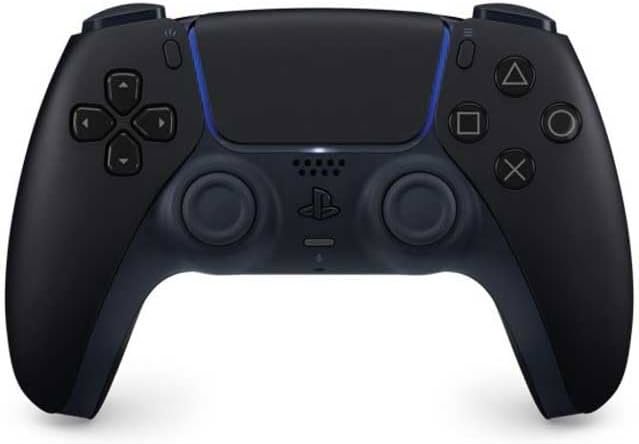
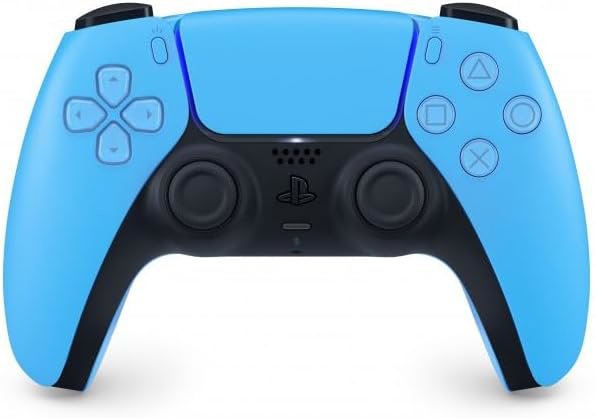
Midnight Black colorway is frankly a relief. If you have ever owned the standard white version, you know it attracts grime like a magnet. This black variant looks like it might actually survive a gaming session without requiring a deep-cleaning kit. It is sleek, it is understated, and it does not scream that you are a neon-obsessed teenager, which is a nice change of pace for my living room setup.
Spec sheet says one thing, reality says another. Manufacturers love to throw around buzzwords like immersion, but usually, it just means a motor that buzzes like a dying bumblebee. The
DualSense is the rare exception where the marketing fluff actually translates to a palpable experience. You are not just pushing buttons; you are feeling the texture of the game world. It is the only controller that makes you notice the difference between walking on sand versus pavement.
The adaptive triggers are where the engineering actually shines. When you are drawing back an arrow or slamming on the brakes in a racing game, the resistance changes. It is a neat trick that never really gets old, even after the hundredth time. It adds a layer of depth that makes traditional controllers feel prehistoric. If you are playing on a console, this is the benchmark for what a controller should feel like in 2024.
Of course, it is not all sunshine and haptic rainbows. The battery life is, to put it politely, anemic. If you are planning a marathon session, you better keep your charging cable within arm's reach or you will be tethered to your console like it is the dark ages of wired gaming. It is a classic Sony move to give us all this high-tech goodness and then pair it with a battery that seems to have the capacity of a AA from a discount bin.
When the spec sheet finally tells the truth
Let us talk about the features that actually matter. The haptics are the star of the show. Instead of the crude vibration motors that have been around since the late nineties, the
DualSense uses voice-coil actuators. It is fancy tech speak for a much more precise way to vibrate, allowing for nuanced clicks and thuds that genuinely trick your brain. It turns a generic rumble into actual tactile information.
Then you have the adaptive triggers. These things use motorized gears to adjust tension on the fly. When a developer gets it right, it is magic. You can feel the trigger snapping back or getting stiff based on the weapon you are holding. It is a level of interactivity that forces you to engage with the game mechanics rather than just mindlessly mashing buttons until something dies on screen.
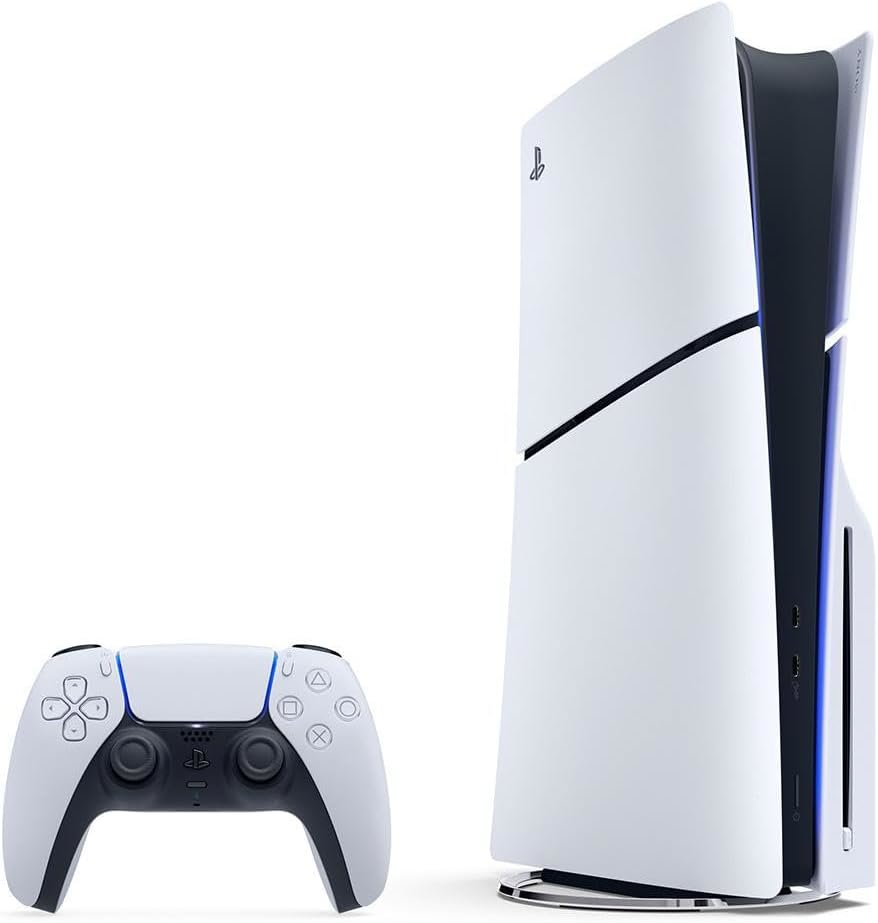
For the PC crowd, the situation is a bit more complicated. Yes, it works, and yes, it is a great controller. However, you often lose the full suite of haptic goodness unless you are wired in or using specific software workarounds. Steam handles it well enough, but you are not getting the seamless experience you get on the PS5. Still, even as a standard gamepad, the ergonomics beat out almost everything else in the price bracket.
Final verdict: Keep your wallet out
If you own a PS5, this is a mandatory upgrade or spare. The haptic feedback and adaptive triggers are genuine game-changers that make older hardware feel obsolete. If you are a PC gamer, it is a fantastic controller, though you might find the battery life and occasional drift issues annoying enough to keep a spare handy. Skip it only if you hate charging things and prefer the simple life of a wired third-party controller.