Chasing Sunsets Without Shivering
I have spent my fair share of time standing on windy ridgelines and waiting for the sunrise after a sub-zero night in a tent. Usually, the battle against the cold involves layering until I can barely bend my arms, effectively turning myself into a very mobile marshmallow. When I saw the
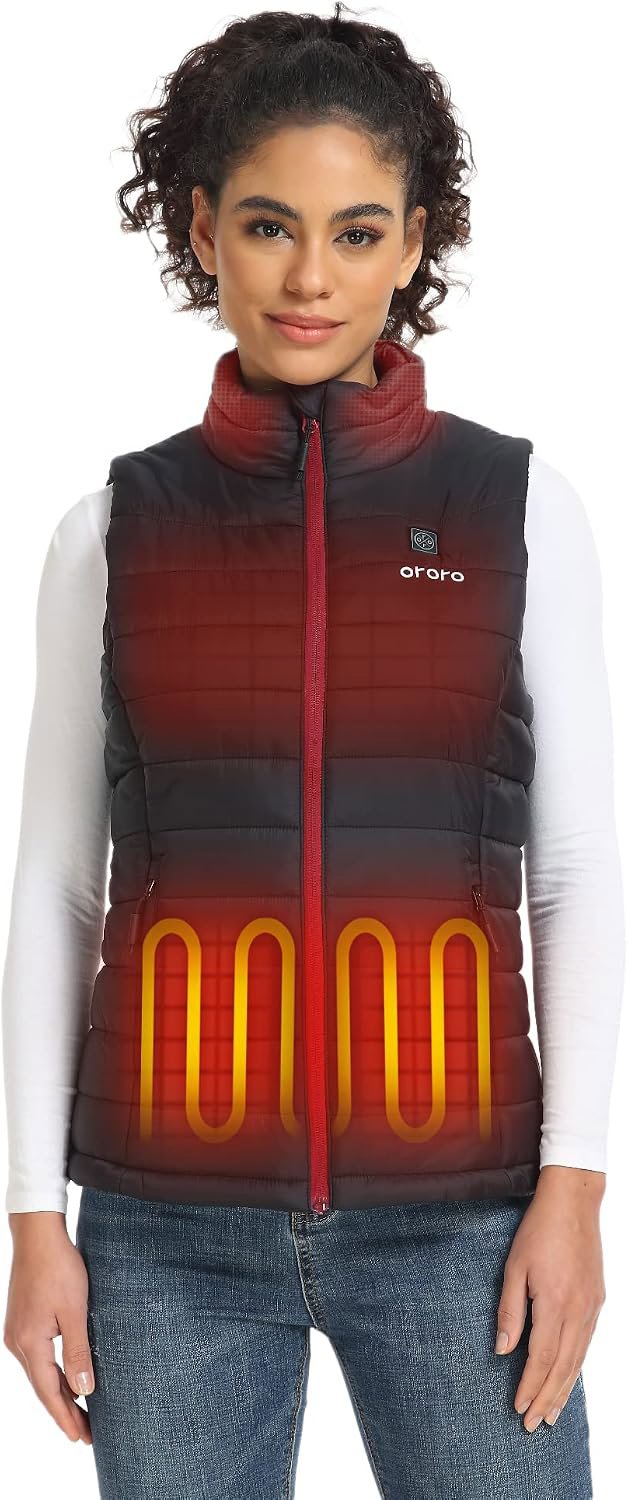
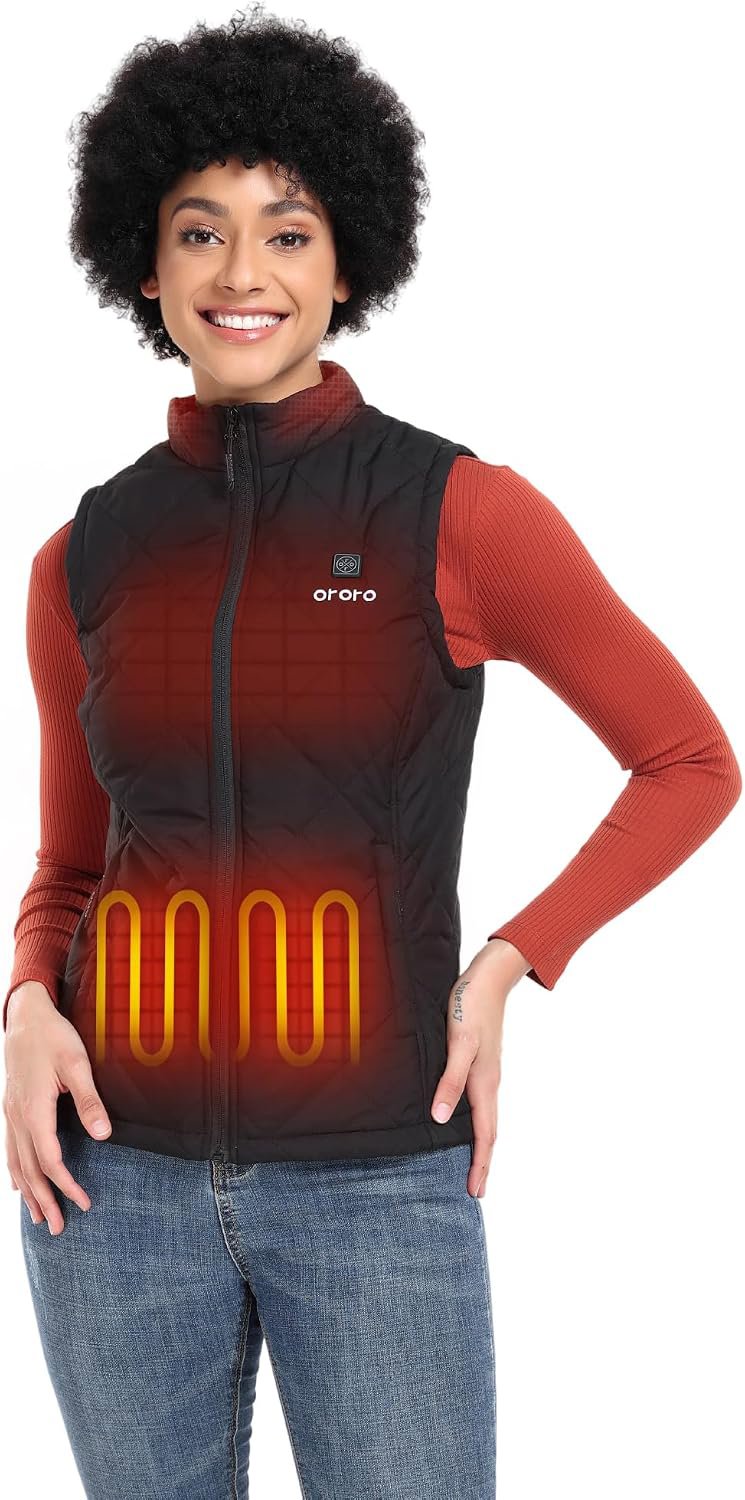
ORORO Women's Heated Vest, my inner gear-junkie was skeptical. Most heated gear feels like you are duct-taping a power brick to your spine, but this piece manages to keep things impressively streamlined.
The FELLEX insulation is the secret sauce here. It keeps the vest feeling soft and packable rather than crunchy or stiff. For those of us who prioritize mobility, whether you are hiking, commuting through a frosty city, or just trying to survive an outdoor sporting event, the lack of bulk is a game changer. It fits comfortably under a shell or a heavier down parka, effectively acting as a portable furnace that sits right against your core.
The four-zone heating system hits the collar and the back, which are the exact spots that usually trigger my shivering response when the temperature plummets. I have noticed that people often complain about heated gear failing to distribute heat evenly, but this system focuses on the vitals. It is like having a radiator that you can zip up, which is a significant upgrade over my old method of frantically rubbing my arms together while praying for a campfire.
Weight is always the enemy of a good expedition. Carrying dead weight in your pack or on your body is a cardinal sin in my book, but this vest is light enough that you will not notice it until you toggle the heat on. It sits flush against the body, which is crucial; the closer it is to your base layer, the more efficiently the heat transfers. I have seen folks try to wear these over thick coats, which is a rookie mistake that lets all that glorious warmth escape into the ether.
Of course, it is not magic. You are still tethered to a battery. If you are heading out for a multi-day trek deep into the wilderness, you will need to account for charging or bringing a backup. But for day hikes, skiing, or just surviving the walk to the train on a Tuesday morning, it is a brilliant piece of engineering that finally acknowledges we do not want to sacrifice comfort for warmth.
Tech That Does Not Require an Engineering Degree
The user experience is refreshingly simple. You get a 7.38V 4800mAh battery that feels substantial without being a literal boat anchor. The interface is intuitive, allowing you to cycle through three heat settings with a quick press of a button. When you are fumbling with gloves in the freezing cold, you do not want to be scrolling through a complex menu or troubleshooting a finicky app. You just want heat, and you want it now.
Durability is another factor I always look at. The zippers on this vest are solid, and the nylon shell feels like it can take a bit of abuse from branches or general travel wear and tear. It is water-resistant, which is essential if you get caught in a surprise snow flurry or light drizzle. While I wouldn't recommend jumping into a frozen lake to test its limits, it handles the average winter elements with absolute grace.
One of the best features is the placement of the heating elements in the pockets. Having warm hands while standing around in the cold is a luxury that makes a world of difference. It transforms a miserable wait into something manageable. Plus, it is machine washable. Being able to toss your gear in the wash after a particularly muddy or sweaty adventure is non-negotiable for me, and this vest makes that cleanup process painless.
The Final Ascent
If you are someone who is perpetually cold or you spend hours in the elements and want to keep your core temp steady without the bulk of a winter coat, the
ORORO Women's Heated Vest is a top-tier choice. It is perfect for commuters, hikers, and anyone who refuses to let a little frost stop their adventure. However, if you are a long-distance thru-hiker expecting battery life to last for days without a recharge, you should skip this and stick to traditional down layers.