Welcome to the mid-gen money pit
Let us be honest, the
PlayStation 5 Pro exists because Sony knows you cannot wait for the inevitable next generation. It is the classic mid-gen flex, arriving with a price tag that makes your wallet weep and a spec sheet that tries to justify every single penny. I have been around long enough to see these consoles come and go, and the PS5 Pro is exactly what you expect: a polished, faster, and significantly more expensive version of the machine sitting under your TV right now.
The marketing machine is running at full capacity, screaming about PSSR and AI-enhanced resolution. In reality, it is a box that leans into the performance gap. If you have a high-end 4K display and you are the type of person who pauses a game just to look at the reflections in a puddle, you will appreciate what is happening under the hood. For everyone else, it is just a larger, more expensive paperweight that runs your games a bit smoother.
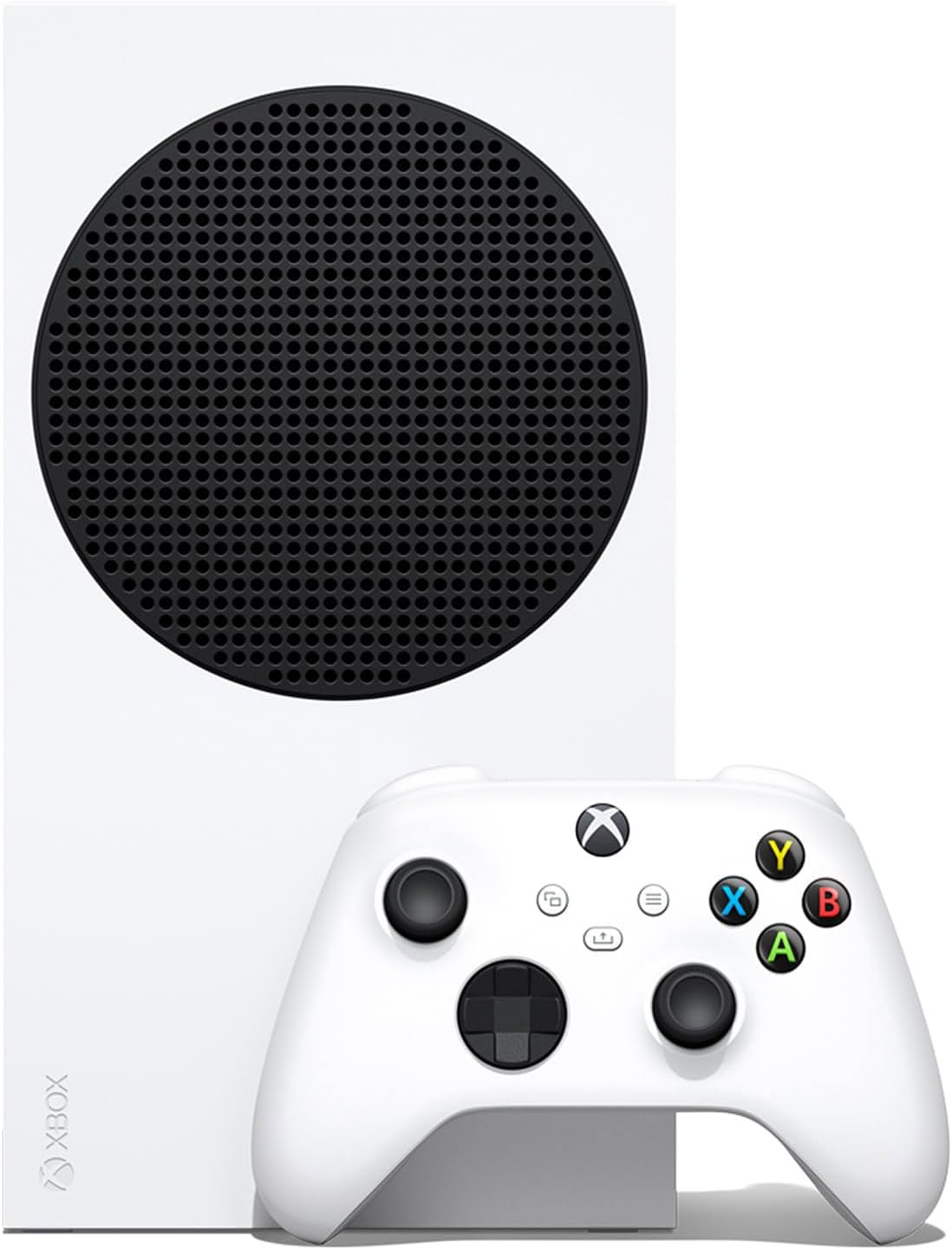
Let us talk about the design. It is still that polarizing, space-age white plastic design that takes up an entire shelf unit. It is not exactly a minimalist dream. The fact that Sony decided to make the disk drive an optional accessory for a console at this price point is bold, bordering on cynical. You are paying a premium for the internals, and then they ask you to open your wallet again if you actually own games on discs. It is classic tech industry maneuvering, and yet, here we are, still lining up to buy it.
I have spent my time digging through buyer feedback, and the consensus is predictably split. The enthusiasts are out there screaming about stability and frame rates, while the more pragmatic buyers are rightfully pointing out that the performance delta might not be noticeable to the average eye. It is not that the console fails at its job, it just occupies a very specific, very expensive niche. If you are the person who needs the absolute best, you already know you are going to buy this regardless of what I say.
At the end of the day, the
PS5 Pro is a machine built for the ego of the gaming space. It is for the players who want to ensure they are seeing every single ray-traced pixel exactly as the developer intended. It is a refinement rather than a revolution, a subtle shove forward in a market that is increasingly focused on incremental gains. It is fine, it is fast, and it is almost certainly overpriced, but it is the current king of the hill until Sony decides we need to spend even more money on a future model.
The spec sheet versus reality
The headline feature is PSSR, or PlayStation Spectral Super Resolution. Sony wants you to believe this is magic. It is essentially their take on AI upscaling, and to be fair, it does a decent job of keeping things sharp when you are pushing higher frame rates. It allows you to run games at 60 or even 120 frames per second without turning the graphics into a blurry mess. When it works, it looks good, but do not expect it to suddenly make an old game look like a cinematic masterpiece.
Then there is the ray tracing, which Sony claims is 'advanced.' In practice, you get better reflections and light play in games that have actually been patched for the Pro. If a developer hasn't bothered to update their title, the
PS5 Pro is essentially just a louder, more expensive version of your original console. The Game Boost feature helps with some older titles, but it is not a cure-all. You are beholden to the developers to actually make use of this hardware.
Connectivity gets a nice boost with Wi-Fi 7 compatibility, which is great if you have a top-tier router and a connection speed that isn't throttled by your local exchange. It reduces latency and keeps things stable, assuming you aren't living in a dead zone. The 2TB SSD is perhaps the most practical upgrade here, as modern game install sizes are getting out of hand. At least you won't be deleting half your library every time a new AAA title drops, which is a genuine relief for those of us with limited storage discipline.