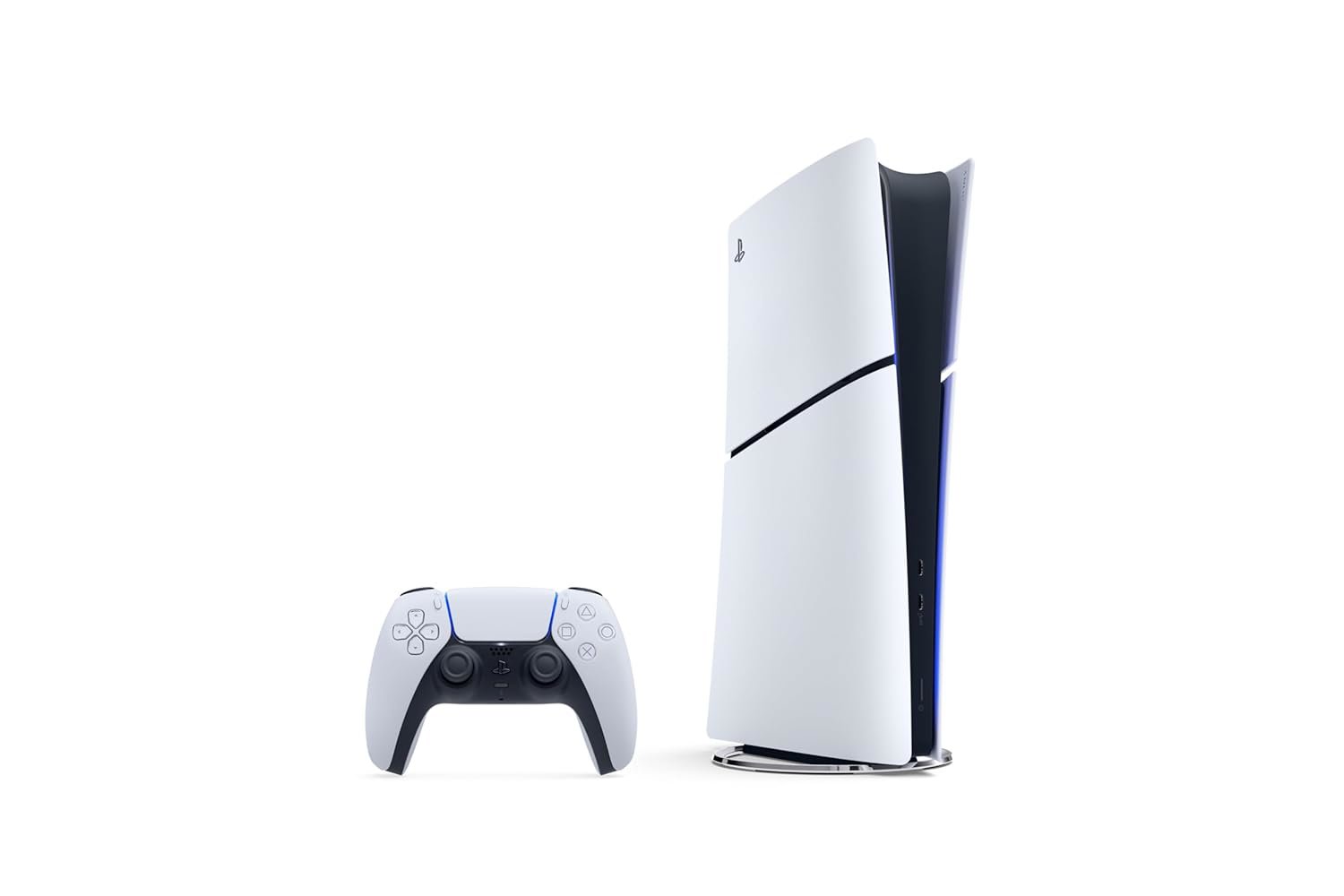
So, they finally listened to the architects
Let us be honest, the original PS5 looked like a futuristic router that decided to eat a smaller, sleeker console. It was a monolith. It was a space-hog. It was, quite frankly, a design choice that forced many of us to reconfigure our entire entertainment centers just to accommodate its hulking, curved frame. The new PS5
Digital Slim version acknowledges that most of us do not live in minimalist art galleries.
When you unbox this thing, you actually notice the weight loss. At 1.9 kg, it feels like it is shedding the unnecessary bulk that haunted its predecessor. Sony has managed to keep the performance largely identical while shrinking the footprint to 16.9 x 43.1 x 35.9 cm. It is not exactly a pocket console, but it finally fits into standard shelving units without looking like it is trying to break out of its confinement. The design is cleaner, sharper, and feels more like a piece of consumer hardware than a piece of modern art that hates you.
However, do not let the 'Slim' moniker fool you. This is not a handheld device. It is still a serious piece of gaming equipment that generates heat and demands airflow. If you try to shove this into a cupboard with no ventilation, you are going to be greeted by the sound of a jet engine trying to escape its metal prison. It is quieter than the launch model, sure, but physics is a cruel mistress. Heat must go somewhere.
One thing that really grinds my gears is the storage situation. We are still stuck with 825GB of internal space. In an age where a single AAA game can easily take up over 100GB of space, this is laughable. You spend half your time playing and the other half deciding which game to delete to make room for the next one. It is a digital console, yet it provides just enough space to hold a handful of titles. If you are a fan of sprawling open-world games, be prepared to get very intimate with the storage management menu.
The build quality itself is decent, though the plastic panels still feel a bit like they were designed by someone who enjoys a good click-and-pop puzzle. It feels solid enough, but it is not exactly industrial-grade hardware. It exists to run games, and in that department, it does exactly what it says on the box. It is the
PlayStation 5 you know, just in a package that does not demand a dedicated room in your house to exist.
Spec sheet heroics versus real life
The spec sheet loves to brag about the ultra-high-speed SSD. And to be fair, it is the one thing that actually makes this console feel like a generational leap. Load times are short enough that you barely have time to check your phone before the game starts. The seamless transitions between worlds are genuinely impressive, assuming the developers actually bothered to optimize their game for it. It is the closest we have come to 'instant' gaming, and honestly, it is hard to go back to a standard mechanical drive.
Then there is the Tempest 3D AudioTech. Sony makes it sound like you will be sitting in a surround-sound studio, but in reality, it is a decent bit of software processing that adds depth to your headphones. It is nice, it is immersive, but it is not going to replace a dedicated sound system. It is a marketing term that promises the world and delivers a slightly better sense of where that explosion behind you came from. It works, it is fine, but let's not get carried away with the 'tempest' metaphor.
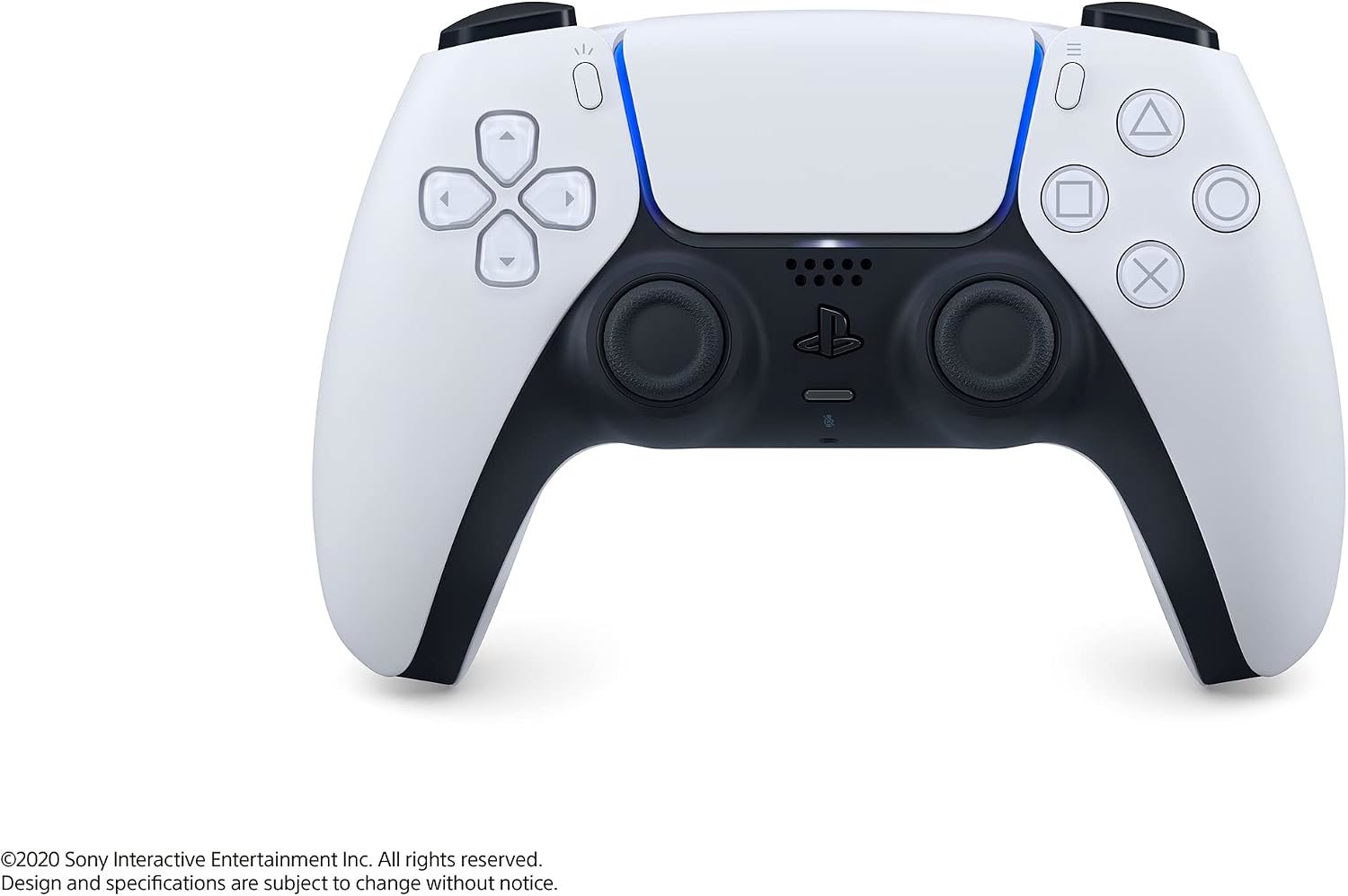
The DualSense controller remains the undisputed king of this package. The haptic feedback is actually useful, not just a gimmick to drain your battery. You can feel the tension in a bowstring, you can feel the gravel under your virtual tires. It makes the gaming experience tactile in a way that other consoles just haven't figured out yet. It is the one part of the PS5 ecosystem that consistently lives up to the hype, despite the battery life still being mediocre at best.