Built for the practical tinkerer
Listen, I have spent decades looking at electronics that look like they were built to break just a week after the warranty expires. When I look at a smart plug, I do not want a fancy screen or a complicated hub system that requires a PhD to install. The
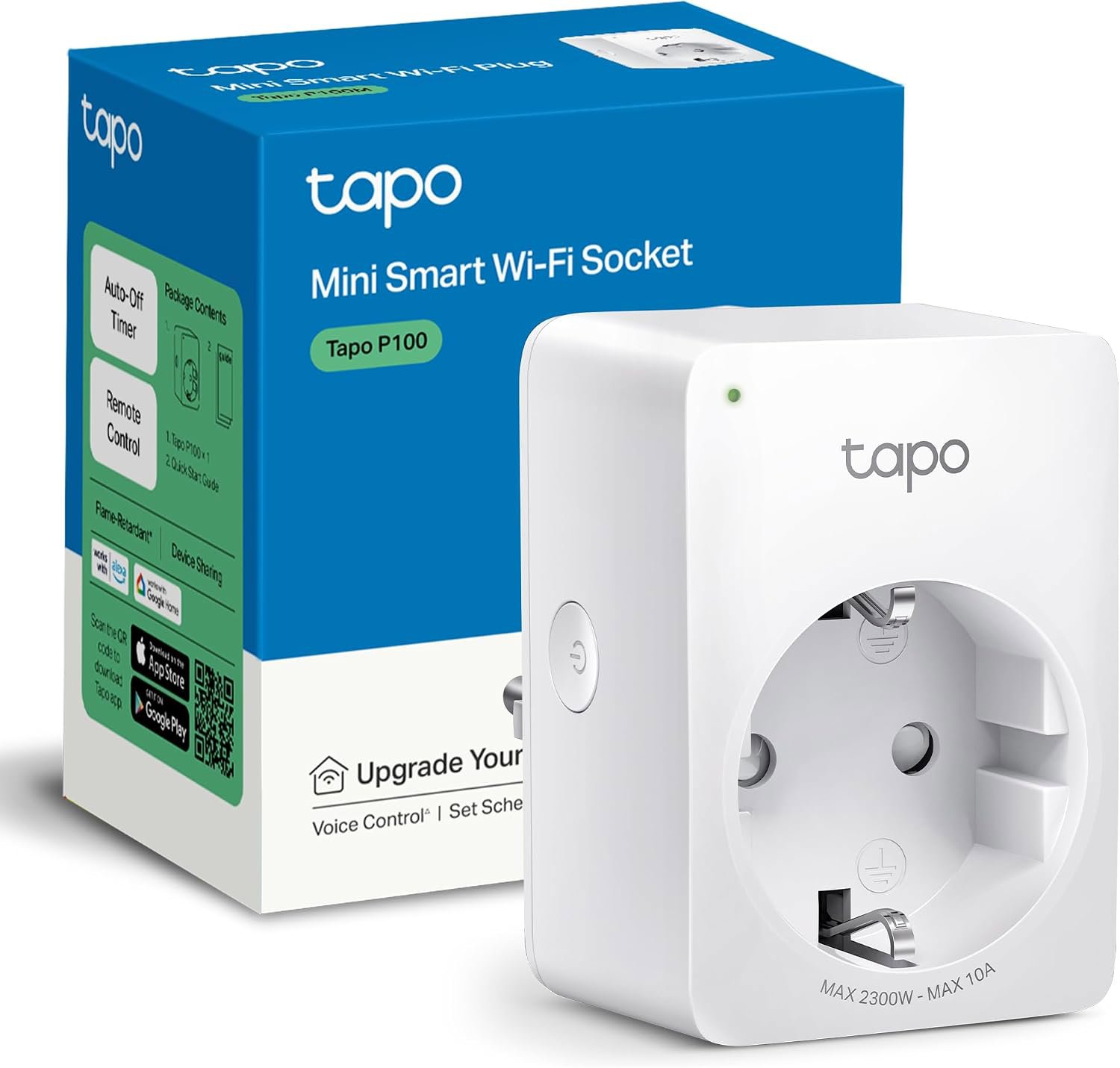
Tapo P100 is, refreshingly, just a switch. It is a piece of polycarbonate gear that does one thing: it interrupts the circuit when you tell it to. It is built out of flame-retardant plastic, which is the bare minimum I expect from something that sits in my wall all day drawing power. It is not going to win any beauty contests, but it is not going to fall apart in your hands either.
For those of us who like to keep things simple, the setup process here is actually tolerable. You download the app, it finds the plug, you connect it to your WiFi, and you are done. No bridge, no extra hardware taking up space on my router, no proprietary nonsense. It is a 10-amp device, which is plenty for your standard household lamps, fans, or even a small space heater if you keep an eye on the load. It is rated for 2300 watts, but let us be real, I would not push it to the limit constantly. Keep your heavy-duty workshop tools away from this; it is for home comfort, not for welding.
I hear folks complaining about the audible click when it switches. Look, that is a mechanical relay. That is the sound of a physical copper contact closing the circuit. If you ask me, that is a good sound. It means there is a proper physical separation happening inside the unit rather than some flimsy solid-state component that might fail and overheat. If you want silence, buy a solid-state switch, but do not come crying to me when it dies after a few months of heat-soak. This is a reliable, mechanical way to handle 240 volts safely.
Now, regarding this Singles' Day madness, it is a decent time to pick up a few of these if you are looking to automate your living space without breaking the bank. It is the kind of tech that actually makes your life easier rather than just adding more clutter. If you are living on your own, having a lamp turn on as you walk through the door or setting a timer for your coffee machine is a small quality-of-life win that feels good.
In terms of longevity, I expect this to hold up for a decent stint. The build quality is consistent with TP-Link products, which generally know how to keep hardware running long enough for the tech to become obsolete before it actually breaks. It is not exactly a 'buy it for life' heirloom tool, but in the world of smart home tech, it is as close as you are going to get for this kind of coin. It is a solid, honest piece of kit.
Under the hood features that matter
The standout feature for me is the footprint. It is 5.1 x 7.7 x 7.2 centimeters, which is compact enough that it does not block the neighboring outlet on your wall plate. I have seen smart plugs that are the size of a house brick, effectively turning a double outlet into a single one. That is bad design. This unit respects your wall space, which tells me the designers actually thought about how people live in their homes.
The software side is quite slick. You get your scheduling, your countdown timers, and the 'away mode' which flickers your lights to make it look like someone is home. I have tested enough apps to know that most of them are buggy messes, but the
Tapo app is surprisingly stable. You can tie it into your Alexa or Google Home setup easily, so if you are feeling lazy, you can just shout at the ceiling to turn the lights off. It is not magic, it is just well-implemented connectivity.
I should mention the technical limits for those who like to push their gear. It uses a standard Schuko plug, which is the standard here in Spain, so it fits right into your wall without adapters. Just remember this is IP20 rated, meaning it is for dry indoor use only. Do not go using this in the garage or a damp basement unless you want a short circuit. Stick to the living room or bedroom and you will be fine.
The final word from the bench
If you want to dip your toes into home automation without the headache of hubs or complex wiring, this is the pick. It is cheap, it is reliable, and it works exactly as advertised. Skip this if you are looking for advanced power monitoring or if you are running industrial equipment that needs heavy-duty load handling. For everyone else looking to make their home a bit smarter this Singles' Day, it is a solid, no-nonsense choice.