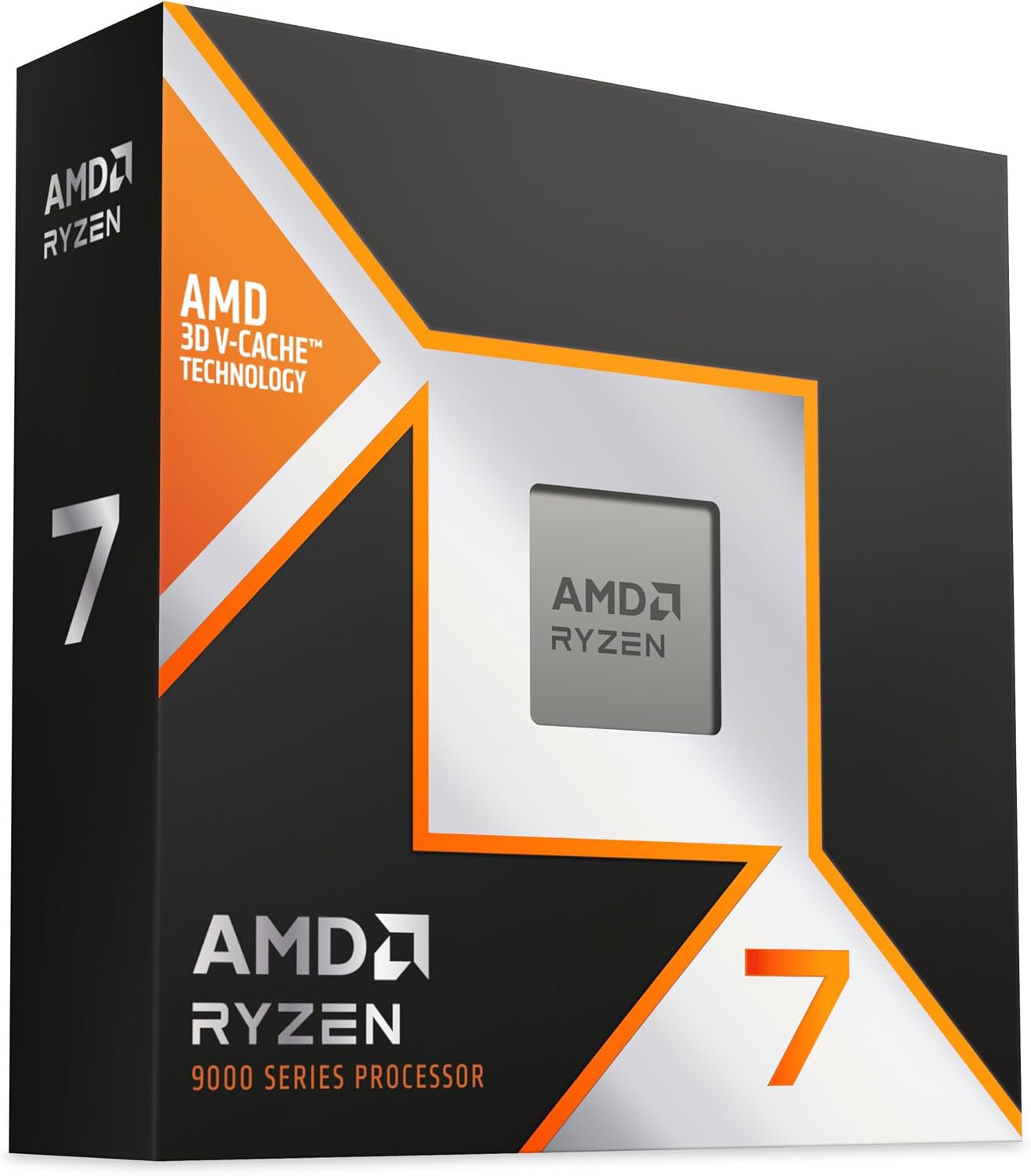
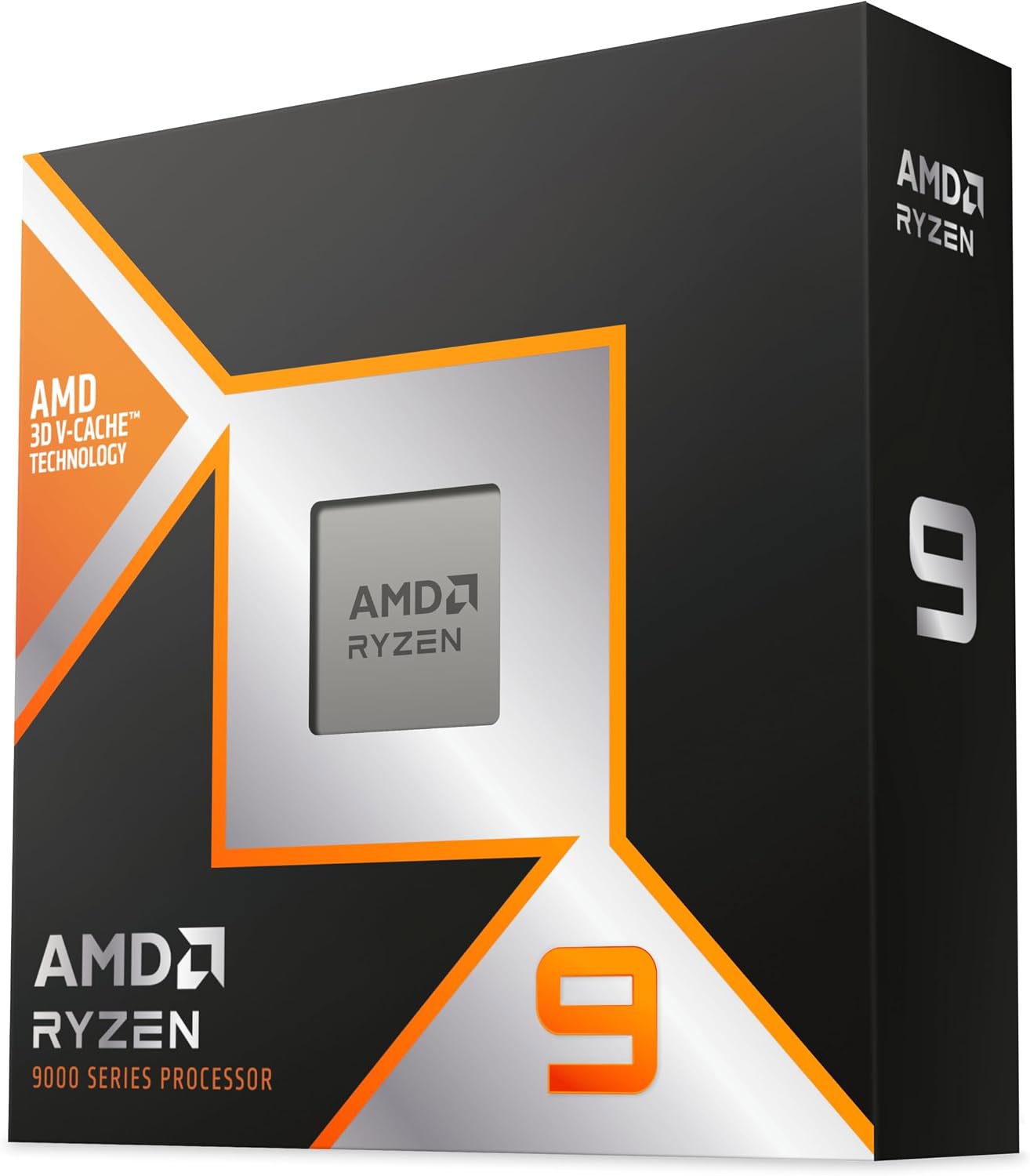
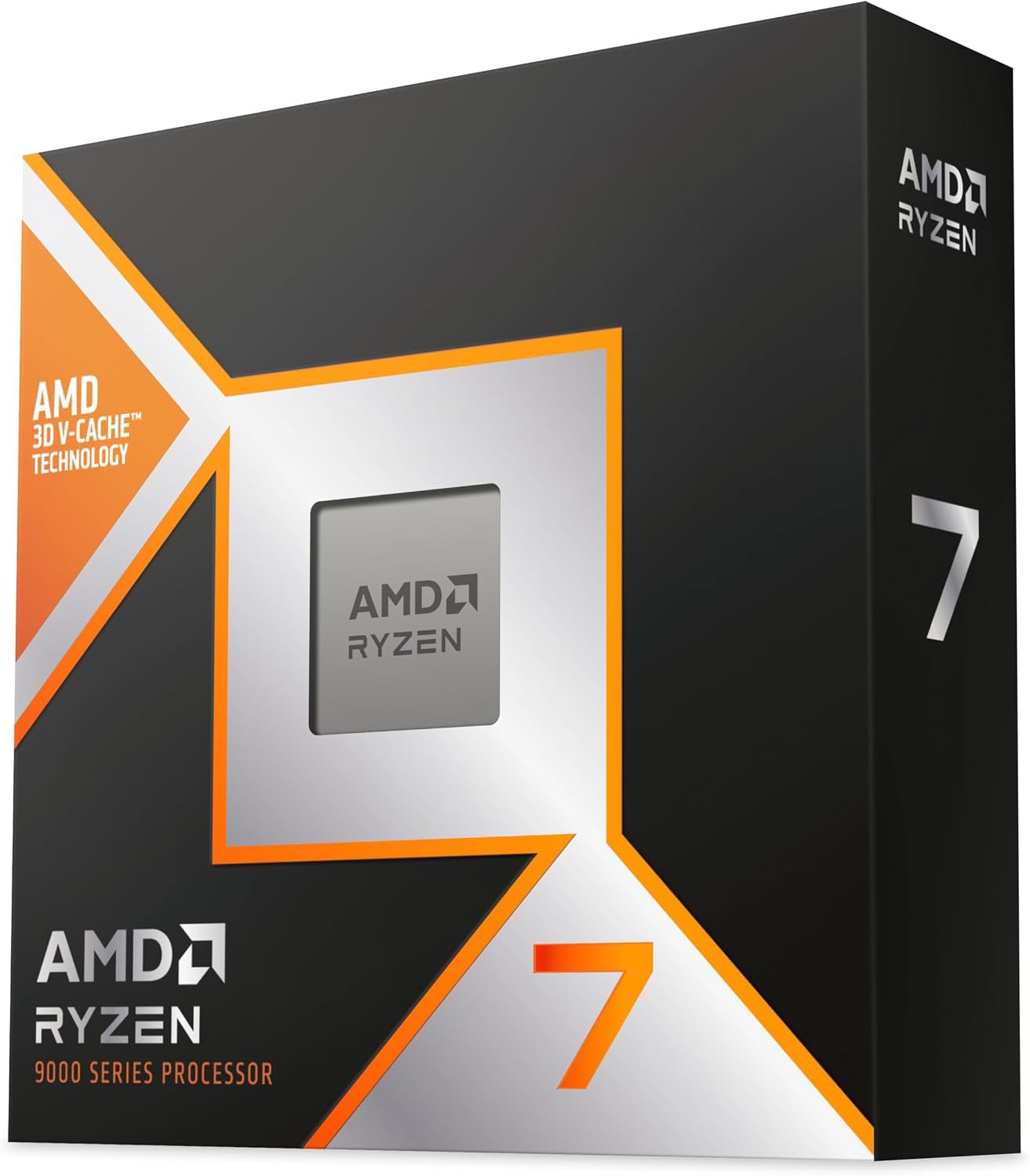
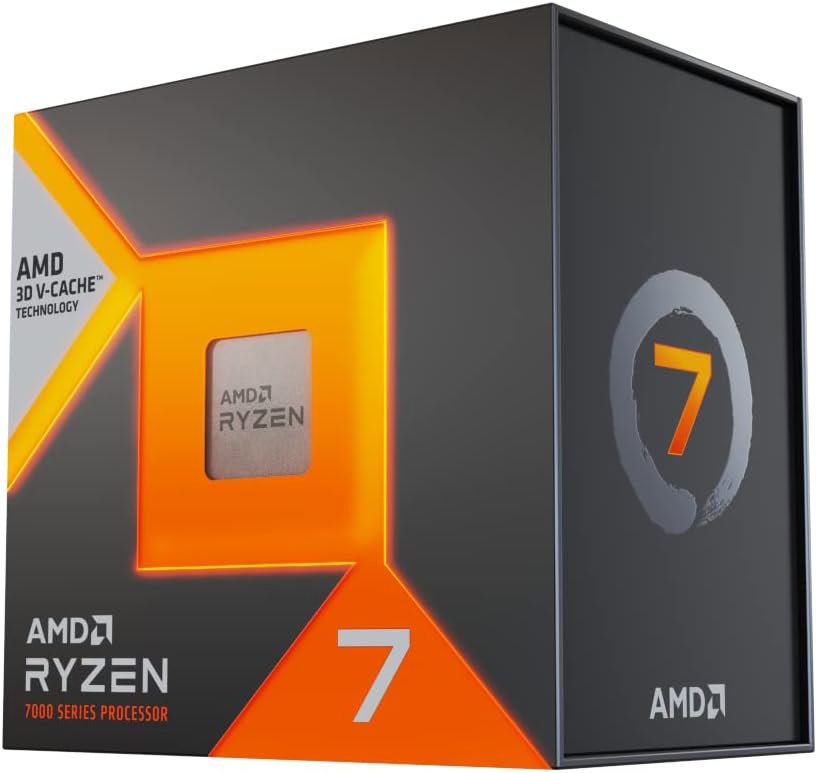
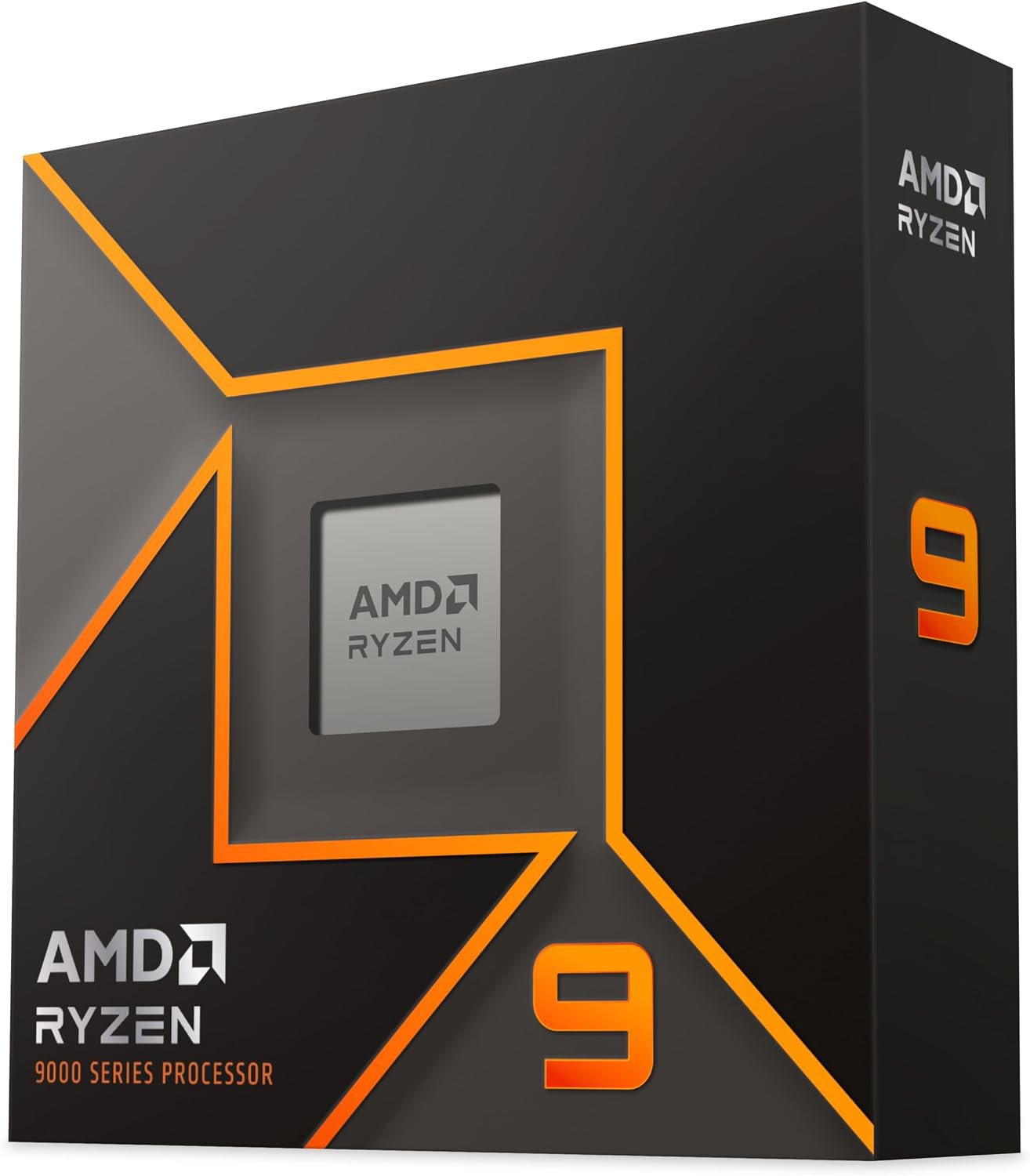
If you just want the best gaming performance, grab the 9850X3D or 9800X3D. For heavy multitasking and professional workloads, the 9950X3D reigns supreme, while the 7800X3D remains the king of sensible value.
A 12-core beast designed for heavy compute tasks rather than just raw gaming. It is a workhorse with a decent clock speed.
What We Liked 👍
Great multitasking performance
Capable for heavy rendering
What Could Be Better 👎
Lacks 3D V-Cache advantage
The Myth of the Perpetual Upgrade
So, you have a shiny AM5 board and you feel the itch to replace your perfectly fine CPU because the marketing department told you that you need 5% more frames? Spec sheet says one thing, reality says another. The leap from the 7800X3D to the newer 9000-series X3D chips is noticeable if you live in benchmark apps, but in actual games, you might need a magnifying glass to see the difference.
The 9950X3D is the outlier. If you spend your day rendering 4K video and your evening crushing lobbies, it makes sense. If you just open Discord and Chrome while playing, putting this much silicon in your rig is just paying for a space heater. The 9900X sits in a weird middle ground, offering solid core counts without the gaming-focused cache, making it a niche pick for productivity nerds.
Thermals and The Cooling Tax
These chips love to run hot. If you buy the 9850X3D or 9950X3D, do not try to strap a tiny air cooler to them and hope for the best. You are paying for high-end performance, so expect to pay for high-end cooling. The 7800X3D is the only one in the bunch that feels like it respects your electricity bill and your case airflow.
Final Verdict: Don't Overspend
If you are building a pure gaming machine, grab the 9850X3D or the 9800X3D if you find a sale. The 7800X3D is the best value choice, and honestly, most of you won't notice the difference in actual gameplay. Only buy the 9950X3D if you absolutely need those 16 cores for work; otherwise, you are just throwing money at the silicon lottery.
If you need cores for heavy lifting, the 9900X is a solid middle ground, but don't expect it to perform like an X3D chip in gaming. Pick the one that matches your actual workload, not your ego.