

Surface Pro 11 review: 42% off the Snapdragon experiment that might actually work

Jordan Clarke: Tech reviewer who has unboxed more gadgets than is healthy and is rarely impressed.

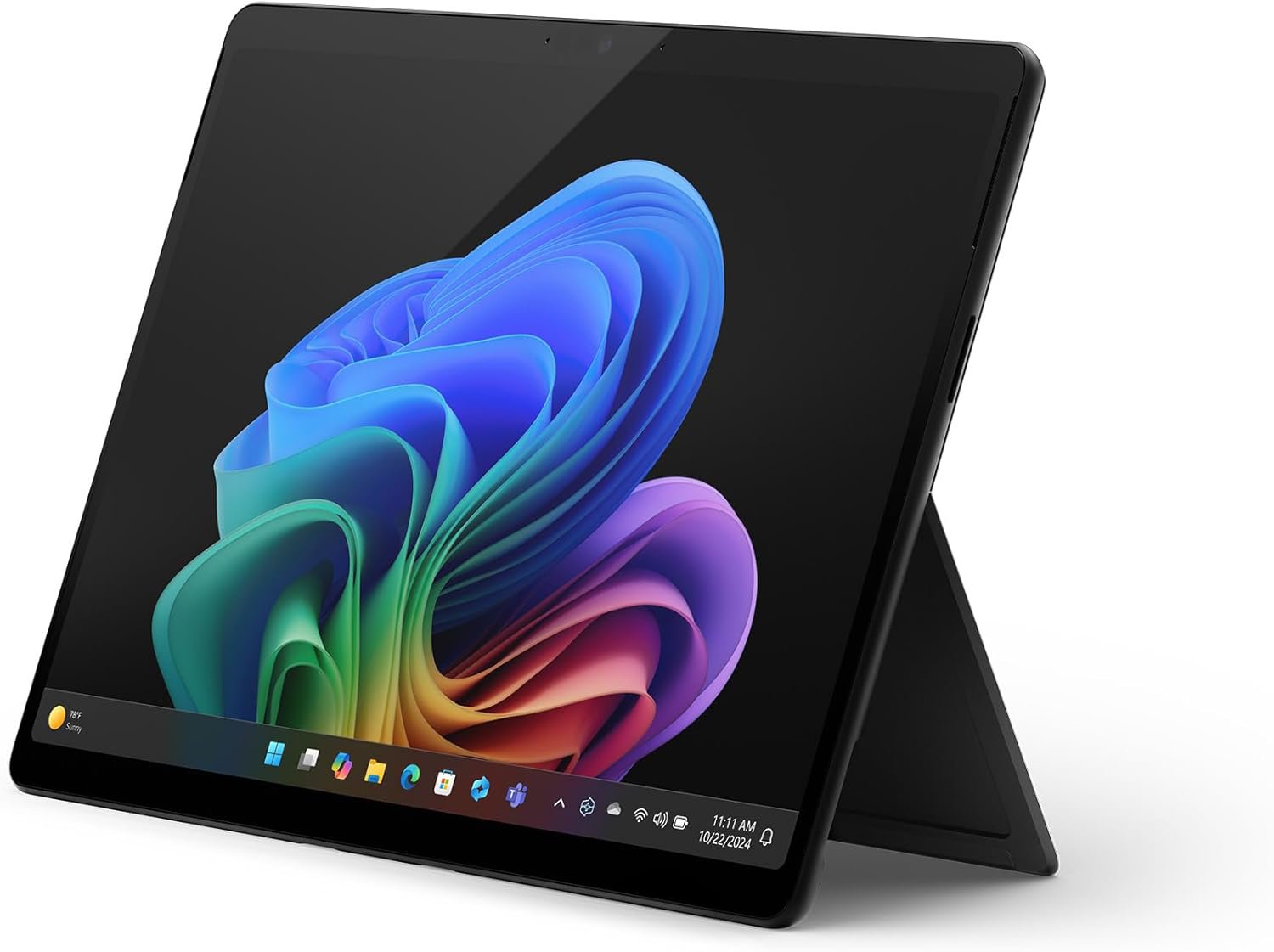
Review image for Microsoft Surface Pro, 13" | Snapdragon X Elite | 16GB RAM, 256GB SSD

The ARM-powered Surface that almost justifies Microsoft's hype machine

The Surface Pro 11 with Snapdragon X Elite is a genuinely fast 2-in-1 that delivers impressive battery life and a stunning OLED screen, making it worth the 42% discount for creative professionals and portable workers. The main catch: you're buying a tablet at £949 without a keyboard or charger included, and the soldered RAM means you're stuck with 16GB forever. Skip it if you need upgradeable internals or expect a complete box.

What We Liked 👍

  • Snapdragon X Elite delivers genuinely snappy performance
  • 14-hour battery life beats most ultrabooks
  • 13-inch OLED touchscreen is legitimately stunning
  • Weighs only 0.9kg, genuinely portable
  • 42% discount brings flagship closer to reasonable pricing
  • Wi-Fi 7 and fast charging support

What Could Be Better 👎

  • Keyboard and charger sold separately, nicely
  • 16GB RAM soldered in, no upgrades possible
  • Some buyers report slow startup times initially
  • Older chargers only charge slowly
  • Needs significant Windows updates out of box
  • Premium price for incomplete package

The Snapdragon X Elite: ARM's redemption arc, or Microsoft's marketing masterclass?

Right, let's talk about the elephant in the room: Microsoft ditched Intel for Qualcomm's Snapdragon X Elite, and somehow the internet hasn't burned down. The reviews are full of words like 'ridiculously fast' and 'seamless multitasking', which usually means nothing. But here's the thing: buyers consistently report that apps open faster than they used to, and the system actually feels snappier. That's not marketing speak. That's people noticing a genuine improvement.
The battery life is what you'd expect from an ARM chip on a power diet. Microsoft claims 14 hours, and while real-world usage depends on what you're actually doing (streaming video all day is different from word processing), the fact that multiple buyers are talking about working through a full day plus evening streaming without hunting for a charger suggests Microsoft's numbers aren't pure fiction for once. That's the kind of thing that usually gets exaggerated.
The catch? This is still a tablet playing dress-up as a productivity machine. You're getting a 13-inch OLED touchscreen, which is stunning, but without the keyboard and charger in the box (they're 'sold separately' for sustainability reasons, apparently), you're missing the whole point of the 2-in-1 concept until you fork out more cash.

The specs that actually matter and the ones Microsoft hopes you'll ignore

The Snapdragon X Elite is a 12-core processor that Microsoft claims is faster than the iPad Pro M3. Spec sheet says one thing, reality says another, but in this case reality seems to be keeping up. You've got 16GB of RAM (soldered in, so this is your lot forever), 256GB of SSD storage, and a 13-inch OLED display at 2880 x 1920 pixels. The screen is genuinely the star here. OLED on a 2-in-1 is rare enough that buyers keep mentioning it specifically.
There are two USB-C ports, Wi-Fi 7, Bluetooth, a 12MP front camera and 10MP rear camera with 'AI-enhanced' features (the buzzword of the year, apparently), and Windows 11 Home. The 0.9kg weight is legitimately light for a 13-inch device. The problem? No charger in the box means you need at least a 39W USB-C power supply, and buyers report that older Surface chargers work but charge slowly. The device is sustainably designed with recycled aluminium, which is fine, but 'sustainability' is marketing speak for 'we saved money by not including the charger'.

The verdict: who should actually buy this thing

Buy this if you're a creative professional or remote worker who values portability, wants a genuine all-day battery, and doesn't mind buying a keyboard and charger separately. The 42% discount brings a £1,629 device down to £949, which is actually reasonable for what you're getting. Buyers who've upgraded from older Surface models report it feels like a meaningful jump. If you already have a compatible USB-C charger, the gap gets smaller. Skip it if you need upgradeable RAM (the soldering is permanent), expect a complete box, or want a traditional laptop. Also skip it if you're put off by the idea of Windows on ARM (though it's working better than it has any right to). The device is fast, the screen is beautiful, and the battery actually delivers. Just don't expect Microsoft to include everything you need to use it.

Pricescoop

  • 2-in-1 laptop
  • Copilot+ PC
  • ARM processor
  • OLED touchscreen
Computers

Our other reviews

NVMe SSD

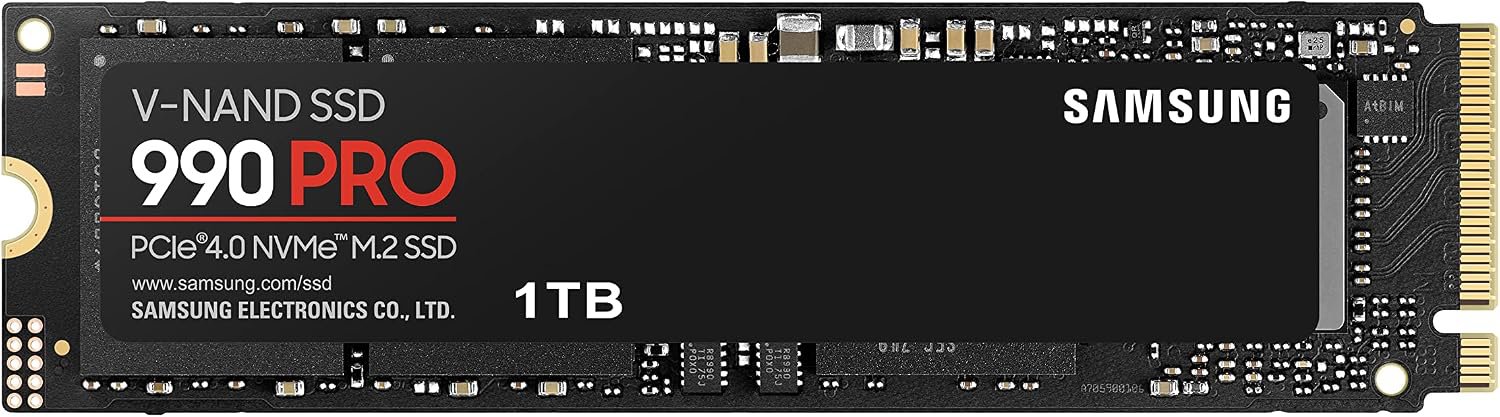
Samsung 990 PRO 1TB review: flagship speed at last year's price

The Samsung 990 PRO delivers the sequential read and write speeds Samsung promises (7450 MB/s and 6900 MB/s), making it genuinely worth considering for gamers, video editors, and anyone whose workflow depends on shifting large files around. At 169.99 GBP (32 percent off), it lands in the sweet spot where you're not paying flagship prices for flagship performance. The main drawback is thermal management: buyers keep mentioning this drive runs warm, and without proper airflow or a heatsink, sustained workloads can push it into throttling territory.

Jordan ClarkeJordan Clarke
  • 2-in-1 laptop
  • Copilot+ PC
  • ARM processor
  • OLED touchscreen
Computers

Our other reviews

NVMe SSD

Samsung 990 PRO 1TB review: flagship speed at last year's price

The Samsung 990 PRO delivers the sequential read and write speeds Samsung promises (7450 MB/s and 6900 MB/s), making it genuinely worth considering for gamers, video editors, and anyone whose workflow depends on shifting large files around. At 169.99 GBP (32 percent off), it lands in the sweet spot where you're not paying flagship prices for flagship performance. The main drawback is thermal management: buyers keep mentioning this drive runs warm, and without proper airflow or a heatsink, sustained workloads can push it into throttling territory.

Jordan ClarkeJordan Clarke