When the rain won't quit and the basement starts weeping
If you have ever spent a stormy night hauling heavy, dripping sandbags from the hardware store, you know it is a job that makes you question all your life choices. The
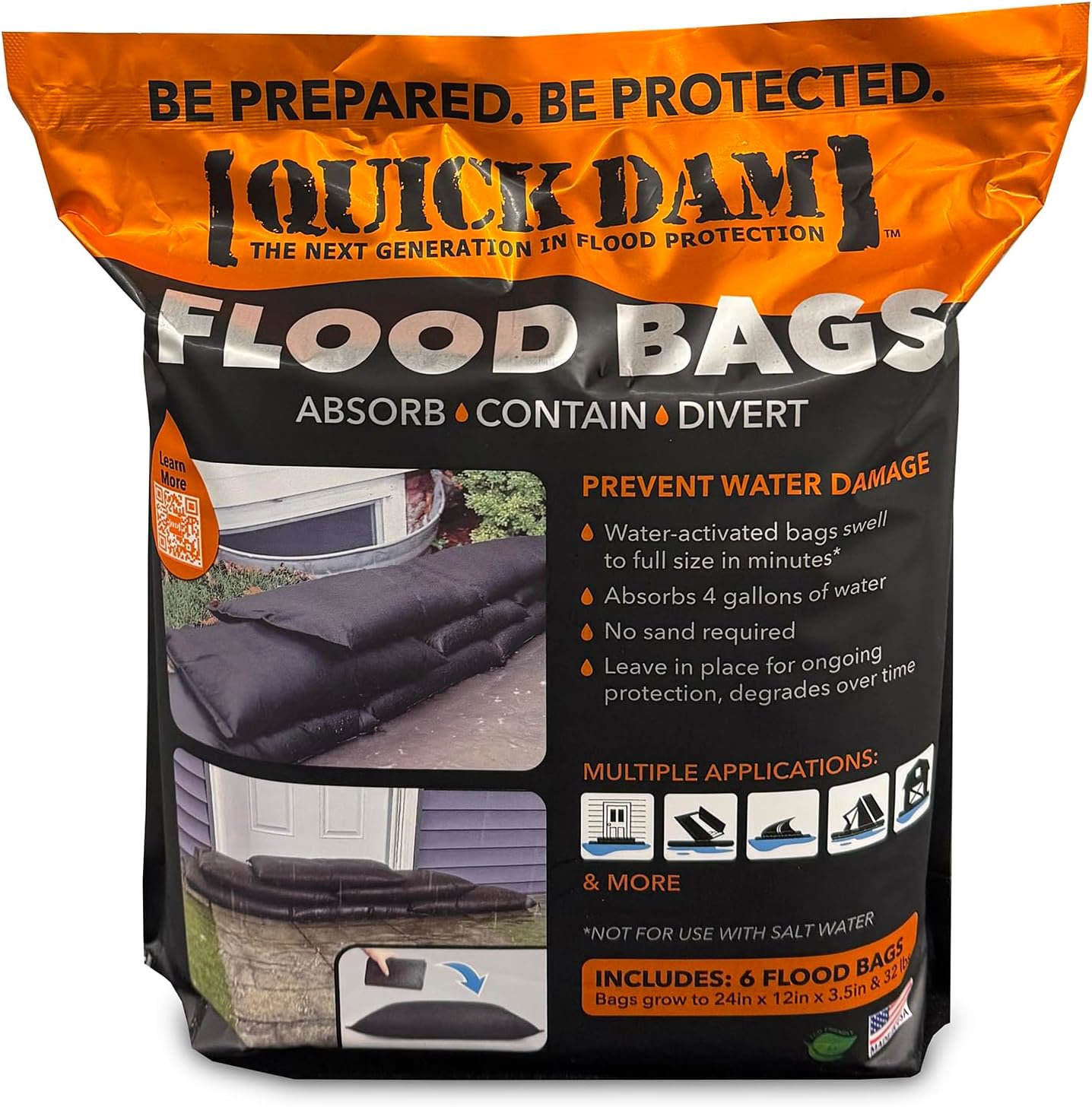
Quick Dam 12 by 24 inch flood bags are designed to save your back and your sanity when the sky decides to open up and soak your property. These are not your grandpa's burlap sacks filled with dirt that you have to shovel yourself. They arrive light as a feather and stay that way until they come into contact with water. Once they hit the wet stuff, they get to work, absorbing four gallons of water and swelling up to three and a half inches high in about ten minutes.
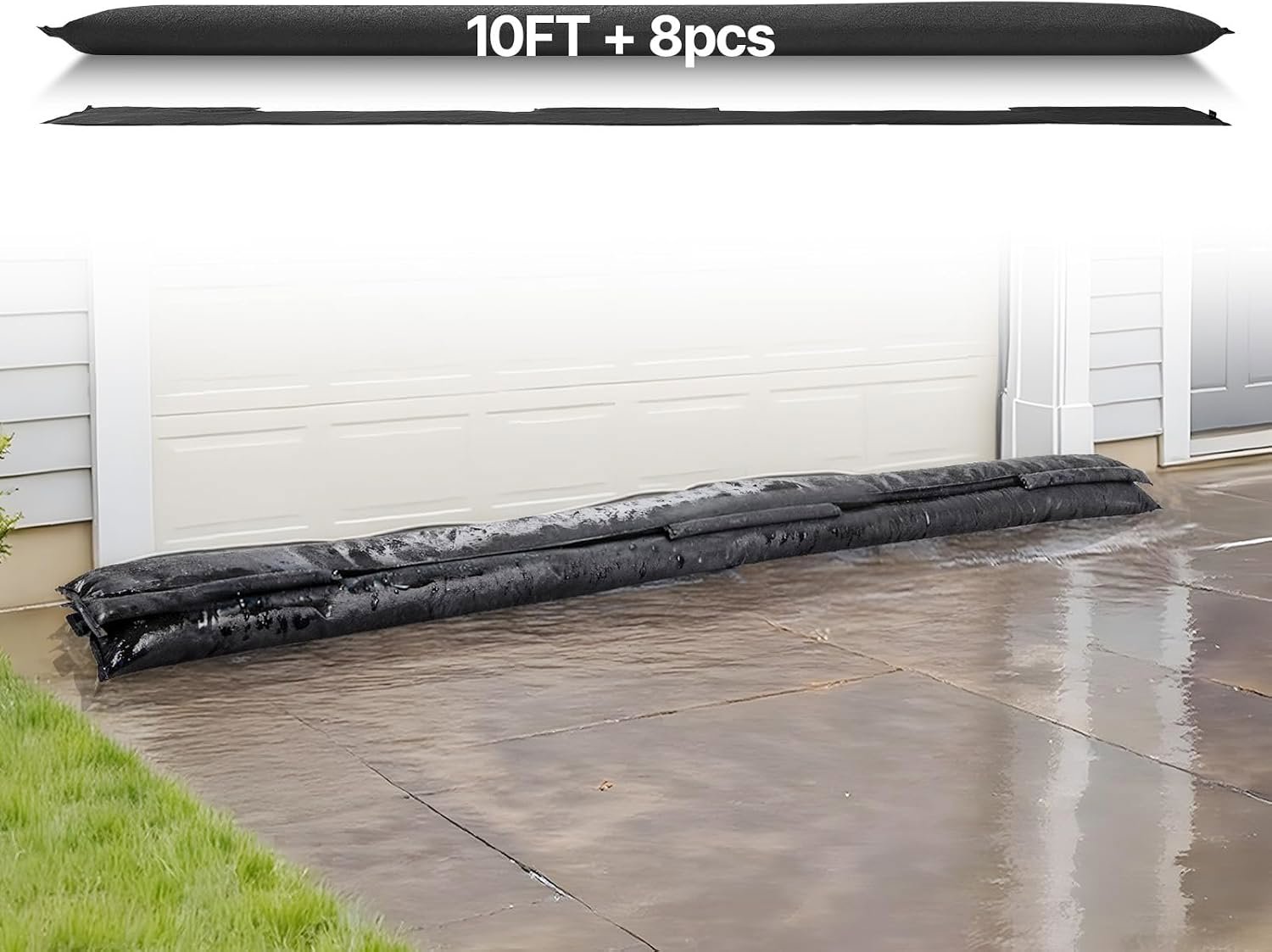
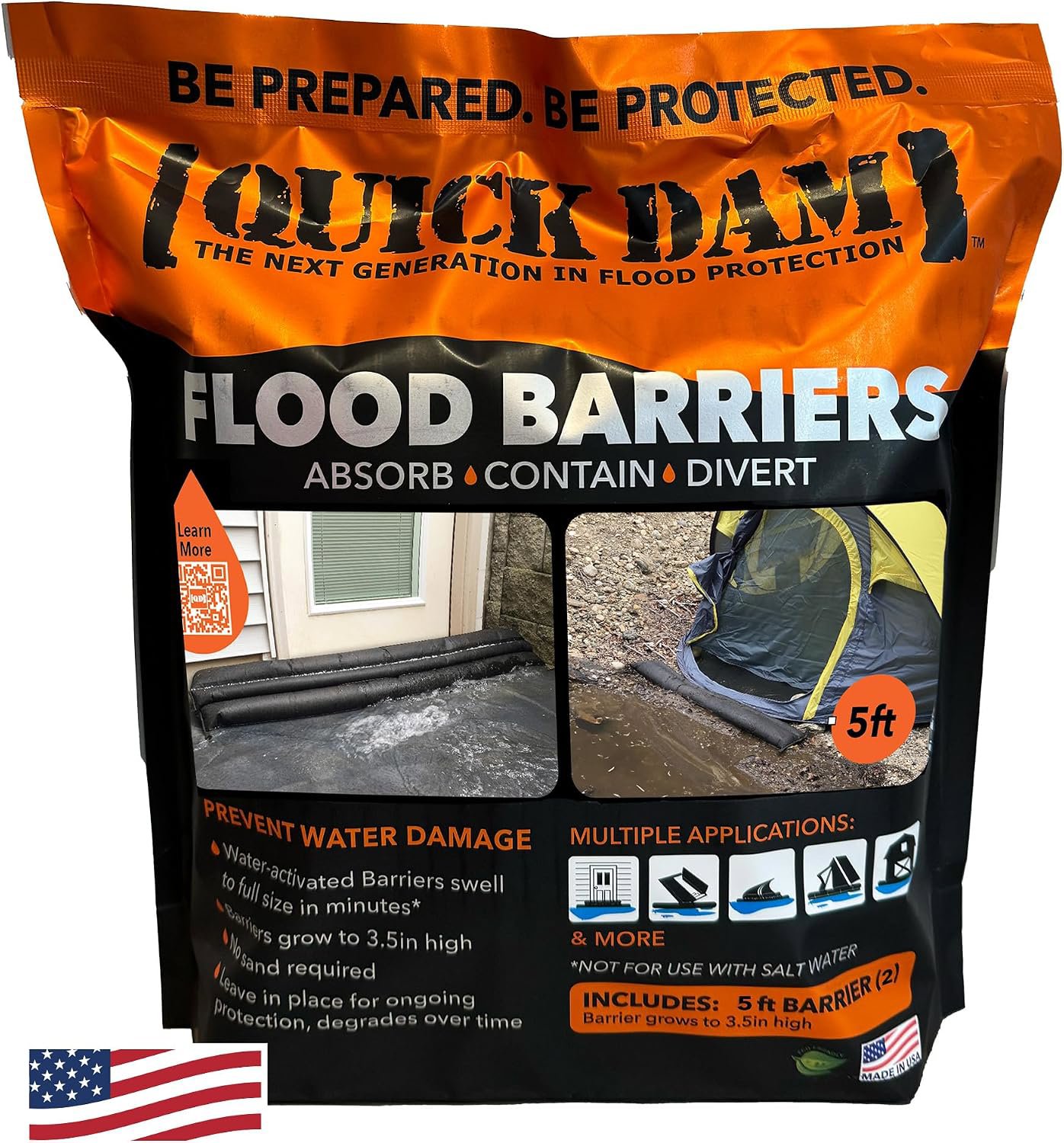
The beauty here is the simplicity. You do not need a degree in civil engineering to set these up. You just lay them down in the path of the water, and they do the rest. Whether it is a leaky appliance, an overflowing A/C unit, or that annoying spot in the garage that always manages to pool water, these bags create a solid barrier that keeps your floors dry. I have seen enough flooded basements to know that even a few inches of water can cause thousands of dollars in damage. Having a pack of these tucked away in a closet is just common sense prep work.
Now, I will be the first to tell you that these are not magic, and they are definitely not a replacement for fixing a structural foundation issue. If your basement is flooding because your grading is all wrong, these will help you buy time, but they are not a permanent fix. Think of them as a tactical tool for your home defense kit. Some folks have reported that the outer fabric can snag on rough surfaces, which is a fair point. If you are dragging these over jagged concrete or sharp debris, you might end up with a tear, so treat them with a bit of respect.
The real kicker for many buyers is the drying process. Once these bags are fully activated, they hold onto that moisture like a miser holds onto a nickel. Do not expect to use them, let them dry in an hour, and pop them back in the box. Many users mention that it takes weeks for them to shed that water, and frankly, some just end up tossing them after a big event. If you look at them as an affordable, one-time-use insurance policy, you will be a lot happier than if you expect them to be a forever product.
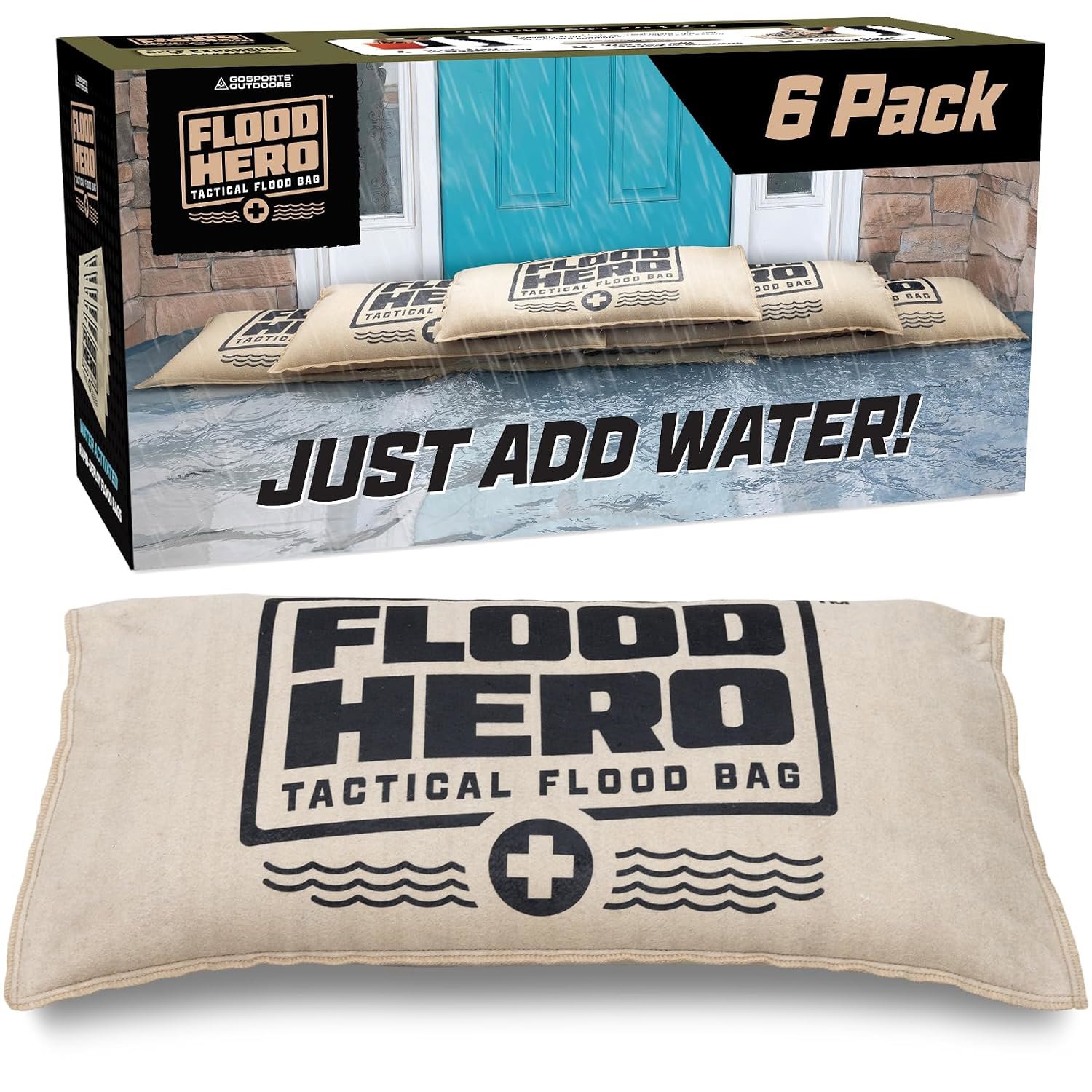
At the end of the day, these things pull their weight. They are compact, they do not require a shed full of sand, and they provide peace of mind when the forecast turns sour. I have heard from folks who use them to keep water out of their doorways during flash floods, and the results are often impressive. If you live in an area where water has a habit of showing up uninvited, you could do a lot worse than keeping a six-pack of these under the workbench.
Solid engineering for simple tasks
The technology behind these bags is straightforward. They use a water-activated material that swells up to form a heavy, solid barrier. It is essentially a high-tech sponge that knows when to stop growing. The dimensions are perfect for doorways or creating small diversions in a sloped driveway. You can stack them in a brick pattern if you need a higher wall, which is a clever way to handle more significant water flow without needing a construction crew.
One thing you need to remember is to keep these away from salt water. The chemistry in these bags just does not get along with salt, and it causes them to deflate, which is exactly what you do not want when you are trying to keep the ocean out of your living room. Also, if you are expecting a massive surge of water, the manufacturer recommends pre-soaking them. It is a smart tip because it gives the bags a head start, ensuring they are at full capacity before the real flood hits your doorstep.
Storage is another huge win. Unlike traditional sandbags that rot in the shed or make a mess of your garage floor, these stay flat and tidy until you need them. You can slide a six-pack into a small tote or leave them on a shelf, and they will wait patiently for years. For the price, having that kind of readiness on hand is a good value. It is not about saving a few dollars on sand; it is about having a tool that actually works when the lights go out and the water starts rising.