Giving your prehistoric TV a second life
Let us be honest. Most smart TV interfaces have the processing power of a potato wrapped in tinfoil. You click a button to open Netflix, walk to the kitchen to make a coffee, come back, and maybe, just maybe, the splash screen has loaded. It is a slow, painful dance that makes you miss the days of simple analog channels. That is exactly where this little stick comes into play.
At sixty percent off, the
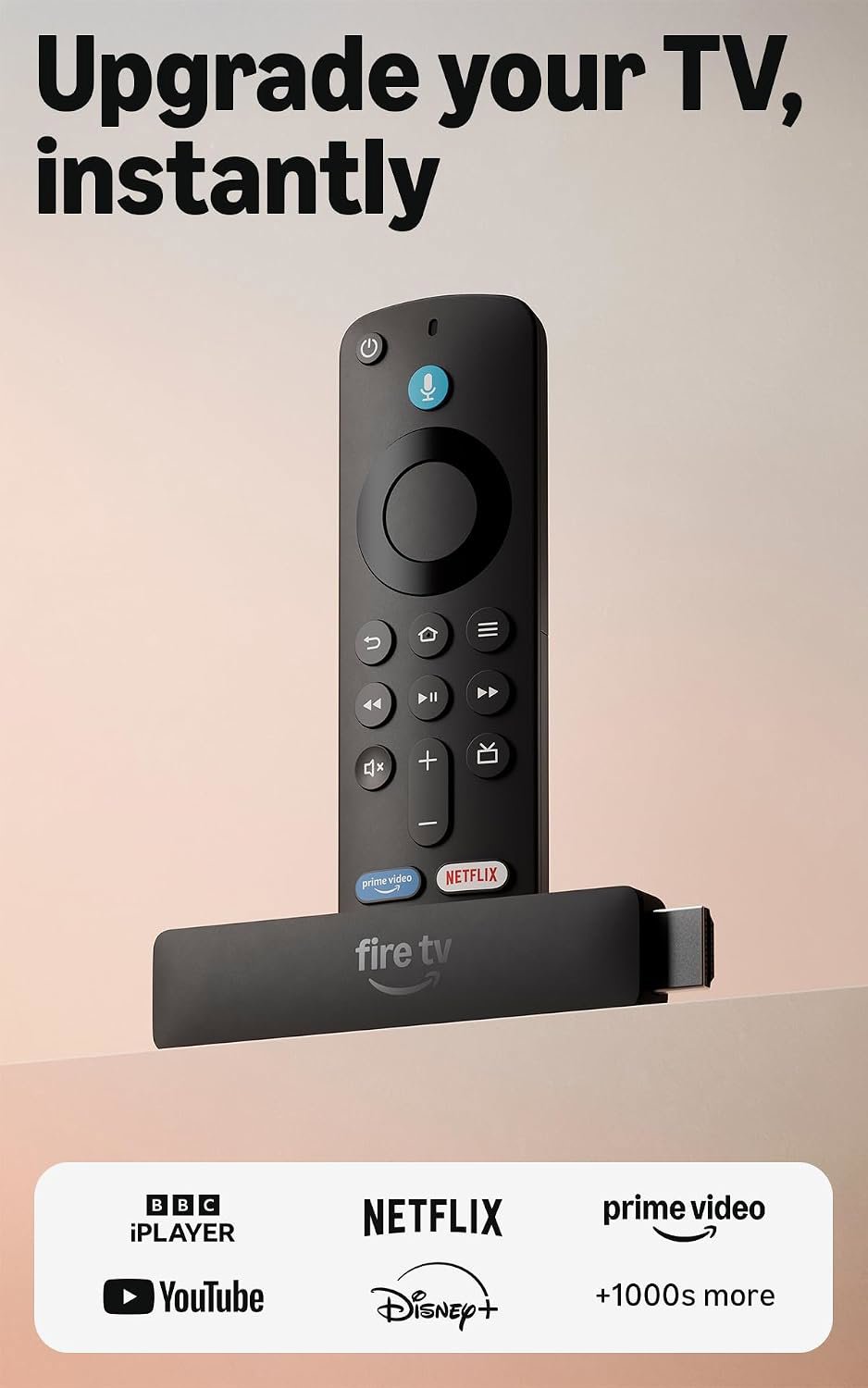
Amazon Fire TV Stick HD is practically being handed out like candy. It is a low-risk, high-reward upgrade for that dusty television in the guest room or the display in your office that lacks the latest apps. It is small, it is unobtrusive, and it basically turns a dumb screen into a legitimate media hub without forcing you to remortgage your house.
The installation process is almost suspiciously simple. You plug the stick into the HDMI port, give it power via the USB cable, and follow the on-screen prompts. I have seen more complex instructions for a pack of instant noodles. It is designed for the person who wants to start watching a show immediately rather than spending their Sunday evening configuring network settings or debugging firmware updates.
Of course, the hardware is not going to win any speed tests against a dedicated high-end media server or a top-tier gaming console. But that is not the point. The point is that for a measly sum, you stop fighting your TV. It is a bit like replacing a wooden wheel on a cart with a rubber tire. It does not turn your cart into a sports car, but you will definitely stop feeling every single bump in the road.
Buyers keep pointing out that the interface is surprisingly snappy for the price. I have been burned by budget streaming devices before, usually the ones that crash if you switch apps too quickly, but the
Fire TV Stick seems to handle the basic streaming load with enough grace that you will not want to throw it out the window. It does what it says on the box, which is more than I can say for most gadgets in my apartment.
Feature fluff versus actual utility
The spec sheet loves to brag about the new 2026
Fire TV experience. Marketing teams always act like a UI refresh is the second coming of technology, but in this case, it is actually pretty clean. The layout is logical, the categories are easy to navigate, and the integration of Alexa is far less annoying than I expected. You can ask for content, and it actually finds it. I know, a revolutionary concept.
One major highlight is the portability. Because it draws power directly from your TV via USB, you do not have to hunt for a spare wall outlet or deal with a spiderweb of tangled wires. It is a clean, minimalist setup that respects your limited patience. Plus, if you are a fan of late-night binging without waking up the entire house, the Bluetooth headphone support is an absolute lifesaver. No more sleeping on the couch because your partner complained about the volume of your action movie marathon.
However, do not expect everything to be perfect. The biggest trap for new users is the lack of native casting. If you are used to the 'Cast' button on your smartphone, you might be slightly frustrated here. This is an ecosystem, not a universal bridge. You will be living in the Amazon garden, which is well-manicured and efficient, but it certainly has its fences. As long as you stick to the major apps like Prime Video, Netflix, or Disney+, you will be perfectly fine.
The final word on the bargain stick
If your current smart TV makes you want to pull your hair out, this is a no-brainer. It is the cheapest, most effective way to turn a sluggish relic into a modern streaming machine. Just buy it. However, if you are a power user who demands universal casting support or you are deeply integrated into the Google ecosystem, you might want to look elsewhere. For everyone else, this is the best value you will find on the site today.